Can Artificial Botanicals Overcome Public Scepticism?
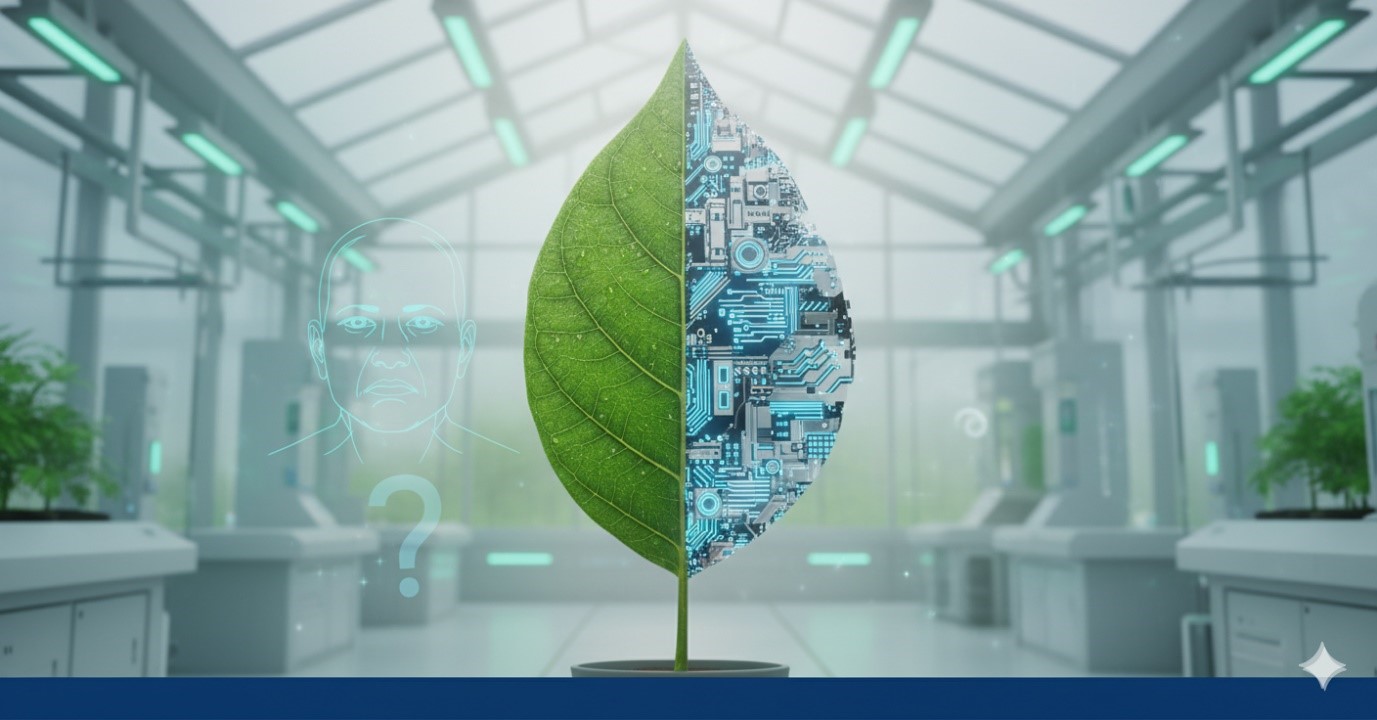
In a world where sustainability is no longer optional, artificial botanicals are stepping onto the stage as a powerful solution to some of humanity’s most pressing challenges. From combating climate change to transforming how we produce energy, food, and medicine, artificial botanicals are helping to reimagine what plants can do, only this time, they’re designed in labs, powered by AI, and increasingly backed by U.S. government innovation.
What once seemed like science fiction is now science fact. With government agencies investing in AI-driven research, safety standards, and genetic engineering, artificial botanicals are quickly evolving from experimental prototypes to practical tools for environmental and economic resilience.
Understanding Artificial Botanicals
Artificial botanicals refer to plant-based systems or structures that are developed or enhanced through biotechnology, synthetic biology, or artificial intelligence. These are not your typical houseplants or decorative silk flowers. Instead, they are high-tech, lab-created plants, or parts of plants, designed to serve specific functions.
Think of a genetically modified plant that grows faster and absorbs more CO₂ than a normal one. Or a synthetic leaf engineered to photosynthesize more efficiently. Even entirely lab-grown botanicals created from plant cells without ever seeing soil fall under this category.
These innovations are intended to outperform natural plants in areas like:
- Carbon capture
- Biofuel production
- Soil regeneration
- Medicinal compound delivery
- Safe ingredients for cosmetics and supplements
In short, artificial botanicals combine nature’s elegance with cutting-edge technology to build a smarter, more sustainable planet.
Government-Backed Breakthroughs in Artificial Botanicals
The growth of artificial botanicals is not happening in isolation. U.S. government agencies are actively funding and supporting research to advance the field and ensure its safe and scalable development. Here are three key breakthroughs:
1. AI and Molecular Simulations for Smarter Plants
At the U.S. Department of Energy’s Oak Ridge National Laboratory (ORNL), researchers have developed an AI-driven tool that simulates how plants interact with beneficial microbes at a molecular level.
Why does this matter?
Because the symbiotic relationships between plants and microbes are essential for plant health and growth. By decoding these interactions with machine learning, scientists can engineer artificial botanicals that:
- Grow faster
- Need less fertilizer
- Produce more biomass
This is especially relevant for biofuel crops, where every ounce of energy output counts. The ultimate goal? Artificial botanicals that help the U.S. meet its clean energy targets while reducing reliance on chemical inputs.
“We’re using AI to decode nature’s blueprint and reassemble it in ways that benefit both the environment and the economy,” said a lead ORNL scientist.
2. Botanical Safety Consortium: Setting the Standard for Health
Safety is paramount when it comes to introducing artificial botanicals into consumer products like food, supplements, and skincare. That’s where the Botanical Safety Consortium comes in, a collaborative initiative involving the FDA, the National Institute of Environmental Health Sciences (NIEHS), and the Health and Environmental Sciences Institute (HESI).
Their mission: to modernize how we test the safety of complex plant mixtures and synthetic botanical ingredients.
Using a combination of in vitro (lab-based) and in silico (computer-modeled) testing methods, the consortium is evaluating commonly used botanicals like:
- Ginseng
- Milk thistle
- Oleander
These efforts will help ensure that the next generation of artificial botanicals is not only effective but safe for human use.
“Innovation shouldn’t come at the cost of safety. That’s why we’re rethinking how botanicals are tested from the ground up,” said a NIEHS spokesperson.
3. Plant Engineering for Sustainable Biofuels
Another exciting development comes from the Lawrence Berkeley National Laboratory, part of the DOE’s Joint BioEnergy Institute. Scientists have enhanced how the bacterium Agrobacterium tumefaciens delivers DNA into plant cells, making genetic engineering more precise and efficient.
This advancement allows researchers to create artificial botanicals with higher energy output, better adaptability to harsh environments, and reduced need for water and chemicals.
For example, custom-engineered plants can produce:
- Bio-based plastics
- Renewable textiles
- Non-toxic pharmaceuticals
“We’re not just engineering plants, we’re engineering the future of clean energy,” said a senior researcher at Berkeley Lab.
Why Artificial Botanicals Matter Now More Than Ever
Let’s zoom out and consider why artificial botanicals are so important in today’s world.
Sustainability
Artificial botanicals can grow in places where natural plants fail, think deserts, polluted soils, or drought-prone areas. They reduce the need for chemical fertilizers, pesticides, and excessive irrigation.
Energy Transition
Biofuel-producing artificial botanicals offer a renewable and cleaner alternative to petroleum. They can be tailored to maximize energy yield per acre, helping meet net-zero targets faster.
Safer Consumer Products
With improved testing standards, artificial botanicals used in health and wellness products can be more potent, consistent, and safer.
Economic Impact
By driving innovation in biotech, artificial botanicals can spark new industries, create high-skill jobs, and improve the U.S.’s competitive edge in agriculture and manufacturing.
Challenges Facing Artificial Botanicals
Despite the promise, the path forward isn’t entirely smooth. Here are some of the key hurdles:
Regulatory Complexity
Multiple U.S. agencies, FDA, EPA, USDA, are involved in regulating biotechnology. Aligning standards while keeping pace with innovation is a constant balancing act.
Public Skepticism
Let’s face it, many people still distrust GMOs or anything synthetic. For artificial botanicals to gain widespread adoption, the industry must prioritize transparency, ethical sourcing, and public education.
Environmental Risk
Introducing bioengineered plants into the wild can pose risks to native species and ecosystems. Careful field testing and long-term monitoring are essential.
What’s Next for Artificial Botanicals?
As U.S. policies continue to encourage innovation and sustainable tech, the horizon looks promising for artificial botanicals. Here’s what to expect:
U.S. Leadership in Plant Bioengineering
With national labs and federal funding in full swing, the U.S. is positioned to lead the global market for bioengineered plant solutions, from agriculture to clean energy.
Personalized Agriculture
AI-driven tools may soon help farmers select artificial botanicals suited to their specific soil conditions, weather, and commercial goals, boosting yields and profits.
Smarter, Safer Products
Consumers can expect more rigorously tested and scientifically validated plant-based supplements, personal care items, and household goods, all thanks to innovations in artificial botanicals.
Bio-Based Manufacturing Revolution
Imagine a world where artificial botanicals are used to produce everything from biodegradable packaging to high-performance materials in electronics and automotive industries. That future is already unfolding.
Conclusion: The Green Revolution, Engineered
The era of artificial botanicals has arrived, not as a futuristic concept, but as a rapidly advancing reality backed by science and supported by U.S. government agencies. From the Department of Energy’s AI-powered plant simulations to the FDA’s work on botanical safety, these innovations are reshaping how we approach sustainability, agriculture, and healthcare.
Artificial botanicals combine cutting-edge biotechnology, synthetic biology, and machine learning to create plant-based systems that outperform their natural counterparts. Whether it’s biofuel-producing crops, lab-engineered supplements, or resilient plants for climate-stressed regions, the possibilities are vast and promising.
However, with great potential comes great responsibility. To fully unlock the benefits of artificial botanicals, continued public and private investment is critical. So too is clear, ethical regulation to ensure safety, transparency, and environmental stewardship. Public trust will be the foundation on which adoption and acceptance are built.
If approached with care, artificial botanicals won’t just disrupt existing industries, they’ll redefine them. More importantly, they could play a pivotal role in building a more sustainable, secure future for the planet. We’re no longer waiting for nature to solve our problems. With artificial botanicals, we’re learning how to solve them with nature, engineered for the better.