Ghost Kitchen Goldmine or Graveyard? The Truth Behind the Trend
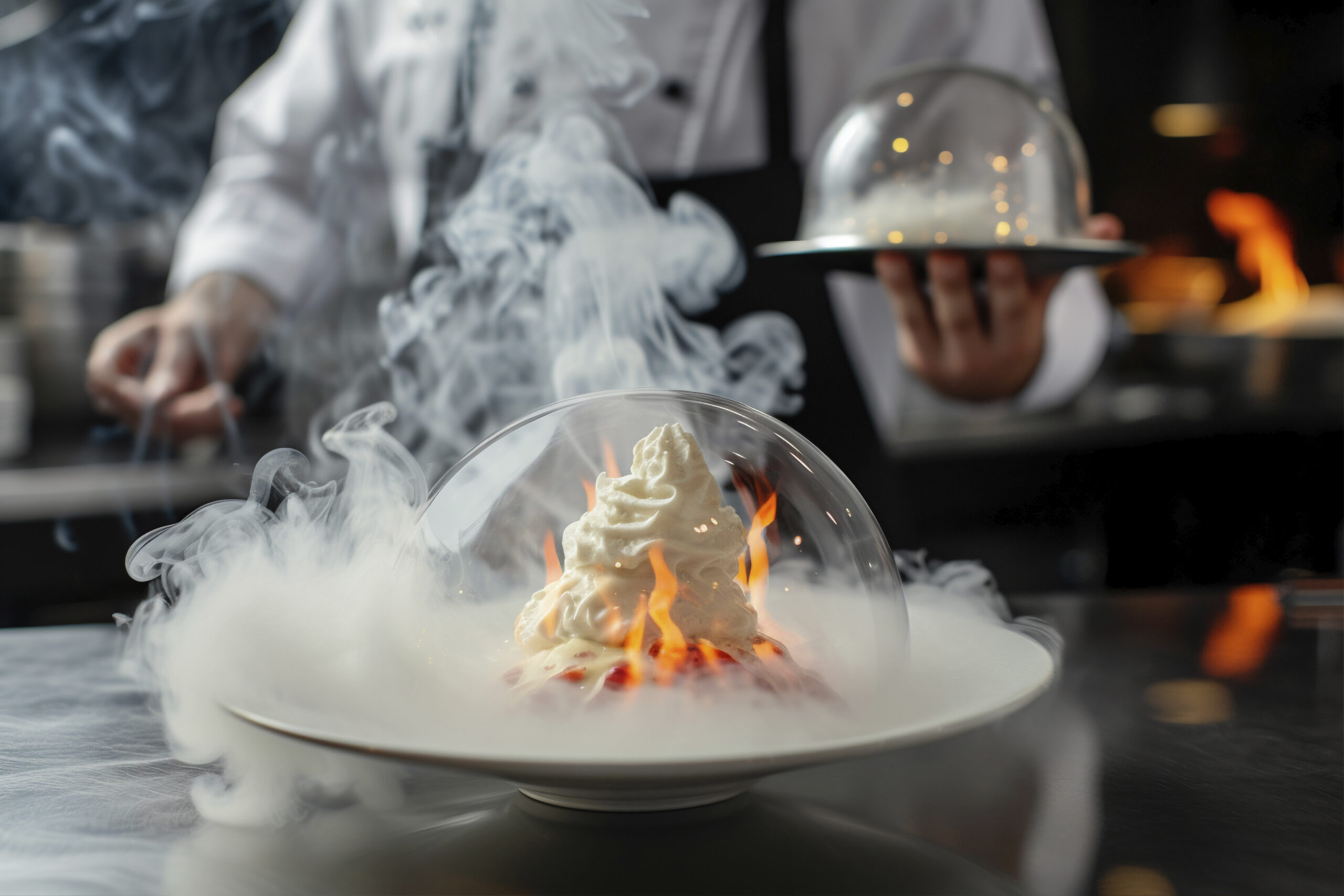
In the ever-evolving food and beverage industry, one trend continues to spark debate: ghost kitchens. These delivery-only kitchen models promise lower overheads, operational efficiency, and scalable revenue. But are they truly a golden ticket for restaurateurs? Or are they just smoke and mirrors wrapped in slick packaging and clever branding?
Let’s dig into the rise of ghost kitchens, explore their pros and cons, and answer the question: Are ghost kitchens real revenue or just an illusion?
What Exactly is a Ghost Kitchen?
This is also known as a cloud kitchen or dark kitchen, is a professional food preparation facility designed for delivery-only meals. These kitchens have no dine-in space. They often operate in shared or rented facilities with multiple brands cooking side by side.
While some of these kitchens belong to big restaurant chains, many are small startups testing the market with minimal risk. Thanks to food delivery apps like Uber Eats, Swiggy, DoorDash, and Zomato, these kitchens can reach a wide customer base without ever opening their doors to the public.
Sounds smart. Well, sort of.
The Pros: Why Ghost Kitchens are So Tempting
Ghost kitchens offer several advantages, especially for new entrepreneurs. Let’s look at the upsides.
1. Low Startup and Operating Costs
Opening a traditional restaurant can cost hundreds of thousands of dollars. Between rent, furniture, staff, and décor, the upfront investment is massive. These kitchens slash those costs. No need for waitstaff. No need to lease expensive real estate. Just a kitchen, a few cooks, and an online menu.
2. Flexible and Scalable
Want to test a new menu or cuisine? This kitchen makes it easy. You can launch a Mexican brand today and pivot to Korean street food next month. If it doesn’t work, shut it down with minimal losses. This flexibility gives ghost kitchens an edge in fast-changing markets.
3. Data-Driven Decisions
Ghost kitchens thrive and operate primarily through apps. That means you can track customer behavior in real time. Which dishes are popular? Where are your orders coming from? Use the data to tweak your menu, adjust pricing, and run targeted promotions.
4. Multiple Brands, One Kitchen
Many of these kitchens run multiple virtual brands from the same space. A single kitchen could produce burgers, wings, and vegan salads, all under different names. This maximizes kitchen output and increases revenue potential without increasing overheads.
5. Rapid Market Entry
Do you have a great food idea but no time for real estate hunting or obtaining permits? A ghost kitchen can be up and running in weeks. With third-party kitchens available for rent, you can skip the red tape and jump straight to testing your product.
The Cons: The Ghosts in the Machine
Despite the hype, ghost kitchens come with challenges. These can haunt both newcomers and seasoned restaurateurs if they’re not prepared.
1. Dependence on Third-Party Delivery Apps
Most of these kitchens rely on delivery platforms to reach customers. That means they also rely on those platforms for visibility, customer experience, and payment processing. The fees can consume 20% to 30% of the revenue. Ouch.
2. Branding is Harder Online
When customers dine in, the atmosphere, service, and personal touch all contribute to building brand loyalty. Ghost kitchens miss out on those physical touchpoints. Online-only brands must work twice as hard to stand out in crowded delivery platforms. Without a strong digital identity, they risk becoming just another menu thumbnail.
3. Quality Control Issues
Hot food doesn’t always travel well. Fries go soggy. Sauces leak. Packaging fails. With no control over how food is delivered, the kitchens can struggle to ensure quality upon arrival. A single bad delivery can ruin a customer’s perception.
4. Customer Service Limitations
Who handles complaints? If a delivery is late or incorrect, customers may blame the restaurant, even if the fault lies with the app or driver. Resolving these issues without a front-of-house team can get tricky and damage your ratings.
5. Regulatory and Zoning Hurdles
While the kitchens seem low-touch, they still face local regulations. Health codes, fire safety, and zoning laws apply. In some cities, local officials are still figuring out how to classify and inspect these facilities.
The Smoke and Mirrors Factor
The question remains: are ghost kitchens truly profitable? Or is the buzz bigger than the business?
Well, it depends.
Some of these kitchens operators are generating substantial profits. Others struggle to break even. The difference often lies in execution. Smart operators focus on quality, branding, and tight delivery logistics. They use data to adapt quickly and market aggressively.
But for every success story, there are failed experiments. Low barriers to entry mean fierce competition. With hundreds of digital-only brands emerging, the market is becoming increasingly saturated. Standing out isn’t just about food; it’s about branding, speed, packaging, and customer trust.
Who Should (and Shouldn’t) Start a Ghost Kitchen?
These kitchens can be a great option for:
- Entrepreneurs testing a new food concept
- Existing restaurants expanding delivery reach.
- Chefs looking for a low-cost entry to market
- Brands experimenting with multiple cuisines
But they’re not ideal for:
- Restaurateurs who depend on ambiance and dine-in experience
- Businesses lacking digital marketing skills
- Brands with a limited delivery radius appeal
- Concepts that require complex, dine-in plating
How to Succeed in this Game
If you’re thinking about jumping into the ghost kitchen world, keep these tips in mind:
1. Nail the Packaging
Good packaging keeps food hot, safe, and visually appealing. It also carries your brand. Invest in packaging as if it were part of the meal.
2. Be Social (Online)
No one will walk past your restaurant and drop in. Your brand lives online. Use social media, local influencers, and paid ads to drive traffic.
3. Optimize Your Menu
Keep it tight. Offer dishes that travel well and deliver high margins. Avoid complex dishes that require in-person presentation.
4. Monitor Metrics Obsessively
Watch order times, customer reviews, delivery zones, and dish popularity. Data is your head chef now.
5. Don’t Rely on One App
Use multiple platforms to avoid overdependence. Or, better yet, build your own ordering website and drive traffic to it.
Final Verdict: Real Revenue, But Not for the Lazy
So, are ghost kitchens a real source of revenue or just smoke and mirrors?
The answer is both. When done right, a ghost kitchen can be a lean, mean, money-making machine. But success doesn’t come from flipping burgers in a back alley and waiting for the orders to roll in. It requires strong branding, operational discipline, and savvy digital marketing. These kitchens aren’t a shortcut to success. They’re a modern format for smart restaurateurs who understand delivery, data, and design. Without a strategy, they’ll vanish as quickly as they appear.
So if you’re ready to get scrappy, stay agile, and hustle hard, maybe it’s time to haunt a kitchen of your own.