Nuclear Arms Treaty at Risk? US, Russia Begin Talks
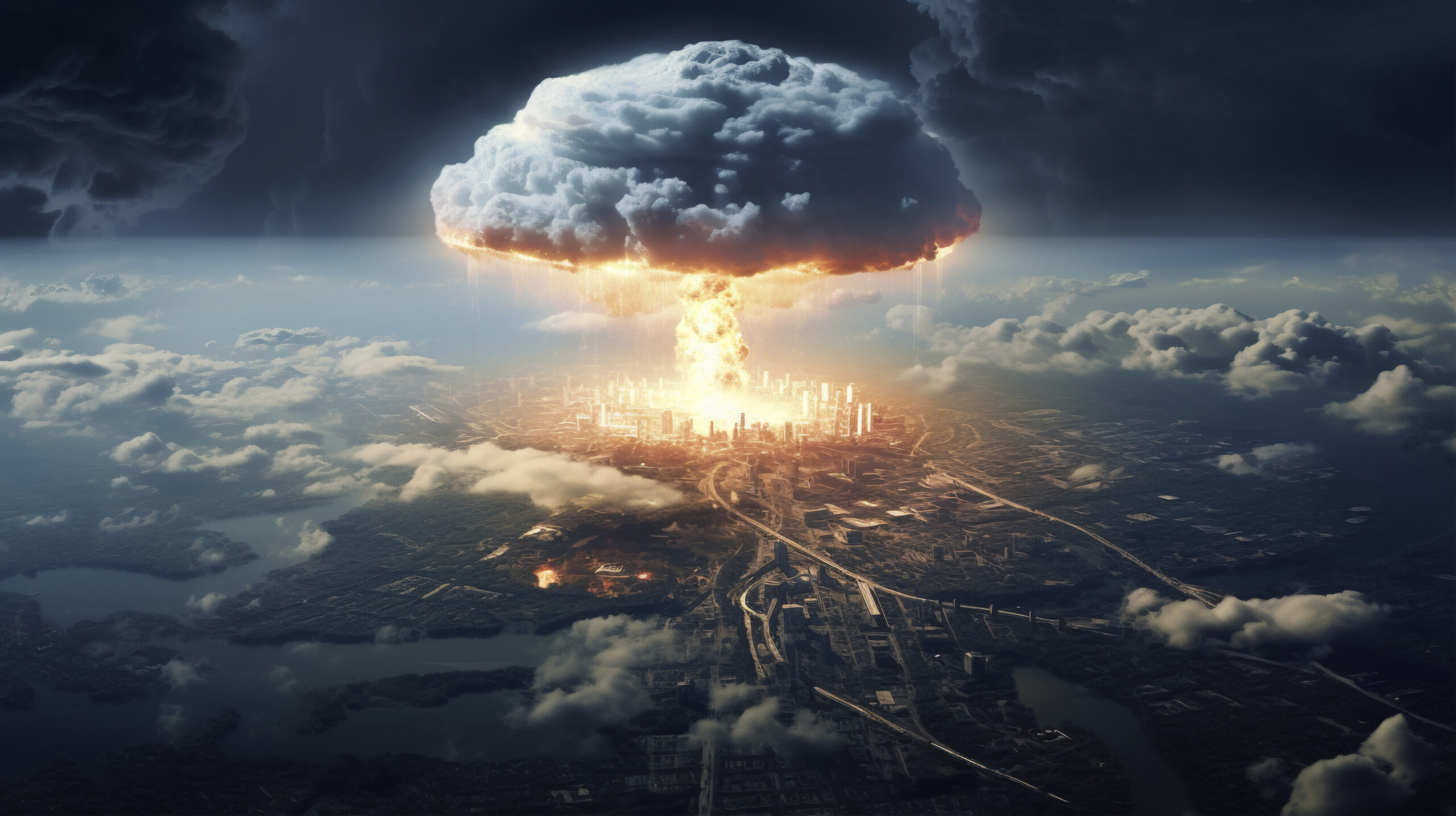
Diplomatic efforts now focus on extending the Nuclear Arms Treaty between the United States and Russia. This treaty, formally New START, remains the only major arms control agreement between those countries. With its deadline looming, both sides are exploring avenues to maintain strategic restraint. Global watchers await signals of success or failure.
Russian President Vladimir Putin has proposed a one‑year extension under the existing framework. He presented that offer during a Security Council meeting and emphasized that the extension must be mutual. Putin insisted that preserving the Nuclear Arms Treaty would prevent abrupt escalation and enable further dialogue. He cautioned that its termination could invite instability.
U.S. officials have called the Russian offer “interesting” and somewhat promising. White House spokespeople reiterated that the idea merits careful review. President Trump has also indicated openness to the extension. Nonetheless, the U.S. has not yet issued a formal reply. Analysts suggest Washington must calibrate terms to retain leverage while appearing cooperative.
Under the Nuclear Arms Treaty, both nations are capped at 1,550 deployed warheads and 700 delivery systems. The accord also requires verification measures, such as inspections and data exchanges. In recent years, many of these verification processes have become impaired. Russia’s 2023 suspension of active participation and pandemic constraints have rendered inspection routines less effective.
Although Russia has paused its formal participation, it has asserted that it will comply with most treaty limits voluntarily. Putin maintains that a lapse in formal status does not necessarily equate to the abandonment of restraint. He argues that the Nuclear Arms Treaty remains essential for predictability and confidence. He warns that letting it die invites strategic chaos.
Still, challenges abound. U.S. diplomats question how to treat tactical weapons and how to reauthorize inspections. They also debate whether future treaties must include other nuclear powers such as China. Russia, meanwhile, rejects conditions and demands that the extension not bind it to new obligations. It disputes U.S. definitions and classification of various systems.
Diplomats from Washington and Moscow are now exchanging drafts. Russia has expressed readiness to review any American text but has withheld judgment. In Washington, career officials discuss offering terms that strike a balance between firmness and flexibility. Either side could withdraw if demands appear unfair. Delay might become a negotiation tactic.
If the Nuclear Arms Treaty expires without renewal, both states could accelerate the expansion of arsenals and systems. That could undermine global stability, weaken trust, and spark renewed competition. Experts caution that fallout could include strategic uncertainty and arms proliferation.
However, extending the treaty would provide breathing space, preserve a negotiating structure, and retain limited transparency in nuclear relations. A short-term extension would signal continued engagement and diffuse immediate risks. It might pave the way for broader, more inclusive future agreements.
Amid the unfolding talks, internal political dynamics weigh heavily. Russian nationalists may object to perceived compromises; U.S. defense officials may demand stricter verification. A single miscalculation could derail delicate progress. Ultimately, the fate of the Nuclear Arms Treaty now depends on diplomacy and mutual will. If both capitals act pragmatically, they may secure a modest extension. If not, they could allow a mechanism that restrained nuclear competition for years to lapse.
In summary, the continuing dialogue between the United States and Russia on the Nuclear Arms Treaty marks a pivotal moment for global arms control. Despite ongoing challenges, both nations’ readiness to return to the negotiating table presents a unique chance to safeguard strategic stability and transparency. As international attention remains fixed on these talks, their outcome may either strengthen long-standing nuclear limitations or open the door to renewed uncertainty. The choices made in the near future will influence not just U.S.–Russia relations but also the wider landscape of global security.