Mission to Mars Secures Tech: New Propulsion System Clears
The International Space Agency (ISA) formally unveiled its definitive strategy today. This plan governs the next cooperative crewed Mission to Mars. This collaborative enterprise establishes a key milestone. It pushes the boundaries of human reach into deep space. High-ranking officials from participating space organizations made the announcement. They spoke at a major news event in Geneva. Thus, the upcoming Mission to Mars showcases a powerful global alliance. It merges essential resources and diverse technical knowledge. Therefore, the mission signals a new global vision. Historically, space missions often fostered rivalry. Now, this shared goal champions true international teamwork.
The core objective centers on planetary research. Astronauts will execute a detailed examination of Martian geology. Importantly, they will search for compelling evidence of life’s distant past. Accordingly, the team must collect diverse samples of soil and rock. They plan to transport these precious materials to Earth safely. This sample-return element of the Mission to Mars carries enormous scientific significance. Analysts on Earth will perform deep investigations using specialized instruments. The outcome promises answers to some of the most significant cosmological questions.
Furthermore, this knowledge prepares for eventual human settlement. Hence, the mission’s findings will shape the future. They greatly influence all long-duration space travel concepts.
The operational crew for this Mission to Mars includes various nationalities. They come from the supporting member countries. This fusion of backgrounds significantly strengthens the mission team. All selected astronauts completed exhaustive training protocols. This preparatory phase involved intense simulations of the Martian environment. They practiced critical maneuvers and complex tasks. For instance, they successfully navigated simulated equipment failures. They also refined their deep-space navigation skills. Ultimately, this comprehensive preparation ensures their mission readiness. The diverse crew understands the rigors of the long transit. They are expertly trained for all surface operations. Their skills and teamwork are commendable.
Experts developed an entirely new, efficient engine type. This advanced system utilizes nuclear thermal energy. It sharply minimizes the total flight duration. This novel propulsion shortens the trip to only a few months. Therefore, this reduced time minimizes exposure to cosmic radiation. Also, it improves the overall health outlook for the astronauts. Consequently, this engineering advancement proves critical. It makes a sustained crewed Mission to Mars entirely possible. Moreover, this new capability offers long-term benefits. It simplifies access to more distant solar system targets. Nuclear technology is driving a revolution in space travel.
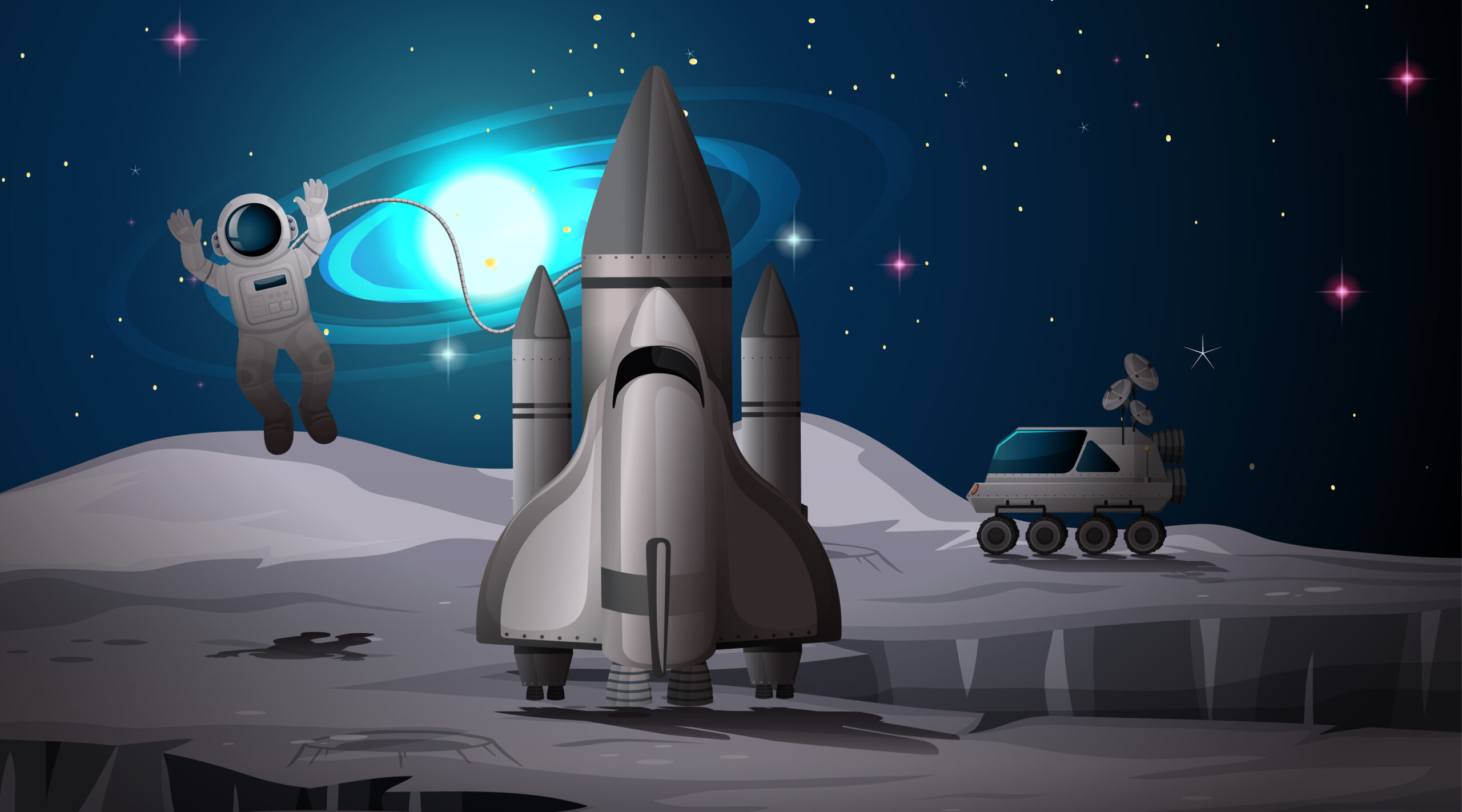
The Unity spacecraft design features multiple integrated sections. One section provides a comfortable living space for the crew. Another part houses the advanced scientific instrumentation. A separate bay stores food, water, and emergency equipment. Additionally, an adaptable robotic rover accompanies the landing vehicle. The crew will use this rover to survey the surrounding area. Its rugged build allows travel across rough, rocky terrain. Likewise, the landing vehicle employs a sophisticated descent system. This guarantees a safe and highly controlled landing sequence. All systems incorporate cutting-edge components. The construction reflects incredible engineering precision.
Financial commitments for the Mission to Mars are distributed fairly. The costs are shared among all partnering space agencies. This collaborative funding model minimizes individual financial strain. Furthermore, the immense volume of data collected will be freely accessible. All contributing agencies will receive immediate and full access to the data. This dedication to sharing represents a key tenet of the partnership. The global commitment to research guides all decisions. Therefore, this mission sets a powerful global example. It highlights the vast power of collective human effort. This inspirational project unites scientists worldwide.
Crew security remains the absolute highest priority. The ISA team incorporated extensive safety margins. They designed critical systems with multiple redundancies built in. This diligent planning minimizes potential risks to the astronauts. A highly sophisticated mission control center provides oversight. Teams constantly monitor Unity‘s performance, 24/7. They analyze every piece of incoming telemetry data in real time. This constant tracking offers immediate assistance when necessary. Thus, this strict supervision ensures continuity of the mission and safety. It greatly increases the probability of a successful outcome. The launch is fast approaching in 2028. The world awaits this defining Mission to Mars.