What Happens When Wind Turbine Towers Rise for Progress
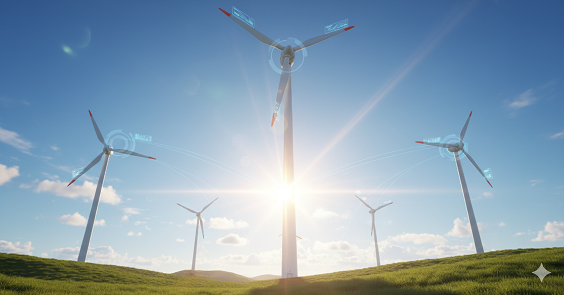
As the world races toward cleaner energy solutions, the humble wind turbine tower is emerging as a key player in unlocking vast new potential. Once seen as a static structure supporting blades and nacelles, the wind turbine tower is now at the centre of innovation, policy support, and infrastructure expansion. From the U.S. Department of Energy’s latest initiatives to groundbreaking research by the National Renewable Energy Laboratory (NREL), governments are investing in smarter, taller, and more efficient wind turbine towers to meet climate goals and power the future.
Why Wind Turbine Towers Matter More Than Ever
The wind turbine tower is not just a structural necessity, it’s a strategic asset. Its height determines how much wind energy can be captured, especially in regions with lower wind speeds at ground level. Taller wind turbine towers can access stronger, more consistent wind currents, making wind energy viable in areas previously considered unsuitable.
According to NREL, increasing the height of wind turbine towers to 160 meters could unlock up to 80% more economically viable wind energy across the United States. This means regions like the Southeast and Gulf Coast, areas with existing transmission infrastructure and high energy demand, could become major contributors to the wind energy mix.
U.S. Department of Energy: Supporting Tower Innovation
In January 2025, the U.S. Department of Energy (DOE) launched the latest round of its Competitiveness Improvement Project (CIP), aimed at supporting small and medium wind turbine manufacturers. This initiative includes funding for innovations in tower design, testing, and certification.
One standout example is EWT Americas’ 1-megawatt turbine, which is being deployed across agricultural and industrial sites, including dairy processors and wastewater facilities. These installations rely on distributed wind systems, where the wind turbine tower plays a crucial role in maximizing energy output in localized settings.
The DOE’s support for wind turbine tower innovation reflects a broader commitment to expanding access to clean energy, especially in rural and underserved areas. By improving tower technology, the government is helping manufacturers reduce costs, improve reliability, and accelerate deployment.
NREL’s Research: Taller Towers, Bigger Impact
NREL’s September 2023 study, funded by the DOE’s Wind Energy Technologies Office, highlights how advancements in turbine tower height and rotor size can dramatically increase wind energy potential. The research shows that taller wind turbine towers can tap into higher-altitude wind resources, which are stronger and more stable.
This is particularly important for expanding wind energy into new regions. Areas such as the Southeast U.S., which have traditionally lagged in wind development due to lower ground-level wind speeds, could become viable with taller wind turbine towers. The study also highlighted the importance of pairing tower height with larger rotors to optimize energy capture.
Distributed Wind and the Role of Tower Design
Distributed wind energy, where turbines are installed at or near the point of use, is gaining traction in the U.S. and globally. In these systems, the turbine tower must be designed to meet specific site conditions, including terrain, wind patterns, and zoning regulations.
The DOE’s CIP program is helping manufacturers develop modular and hybrid wind turbine tower designs that can be customized for different applications. This includes towers that are easier to transport and install, especially in remote or difficult-to-access locations.
By supporting flexible wind turbine tower designs, the government is enabling broader adoption of distributed wind systems, which can reduce reliance on centralized grids and improve energy resilience.
Environmental and Economic Benefits of Taller Towers
Taller wind turbine towers offer several environmental and economic advantages. First, they increase energy output by accessing stronger winds, which means fewer turbines are needed to generate the same amount of electricity. This reduces land use and visual impact.
Second, taller wind turbine towers can extend the lifespan of wind projects by improving performance and reducing wear and tear on components. This translates into lower maintenance costs and higher return on investment.
Third, taller wind turbine towers can help integrate wind energy into regions with limited space or challenging terrain. By reaching higher altitudes, these towers can overcome local obstacles and deliver consistent power.
Challenges in Wind Turbine Tower Development
Despite the benefits, developing taller wind turbine towers comes with challenges. Structural integrity, transportation logistics, and installation complexity all increase with height. Manufacturers must use advanced materials and engineering techniques to ensure safety and durability.
Government support is important in overcoming these barriers. Programs such as the DOE’s CIP provide funding for research, prototyping, and certification, helping manufacturers bring new wind tower designs to market.
Additionally, regulatory frameworks must evolve to accommodate taller towers. Zoning laws, permitting processes, and community engagement strategies need to be updated to reflect the changing landscape of wind energy development.
Global Trends in Wind Turbine Tower Innovation
While the U.S. is leading in wind turbine tower research and policy support, other countries are also making strides. In Europe, offshore wind projects are pushing the limits of tower height and design, with some towers exceeding 200 meters.
In Asia, countries like China and India are investing in hybrid wind turbine tower technologies that combine steel and concrete for improved strength and cost efficiency. These innovations are helping expand wind energy into densely populated and industrial regions.
Global collaboration is essential to accelerate wind turbine tower innovation. Sharing best practices, harmonizing standards, and investing in joint research projects can help countries meet their clean energy goals more effectively.
The Role of Wind Turbine Towers in Grid Integration
As wind energy becomes a larger part of the energy mix, integrating it into existing grids is a key challenge. The turbine tower plays a role here too. Taller towers can help smooth out energy production by accessing more consistent wind flows, reducing variability and improving grid stability.
Advanced wind turbine tower designs also support smart grid technologies, enabling real-time monitoring and control. This helps utilities balance supply and demand, manage storage, and optimize energy distribution.
By improving tower performance, governments can enhance the reliability and efficiency of wind energy systems, making them a more attractive option for utilities and consumers alike.
Looking Ahead
The future of the wind turbine tower is bright. With continued government support, technological innovation, and market demand, towers will become taller, smarter, and more adaptable. They will play a central role in expanding wind energy into new regions, powering homes, businesses, and industries with clean, renewable electricity.
Key areas of focus include:
- Modular tower construction for easier transport and installation
- Advanced materials like carbon fiber and high-strength steel
- Digital integration for real-time performance monitoring
- Hybrid designs combining steel, concrete, and composite materials
- Community engagement to support tower deployment in populated areas
As these trends unfold, the wind turbine tower will continue to evolve, shaping the future of energy and helping the world transition to a more sustainable and resilient power system.
Conclusion: A Towering Opportunity
In the race to decarbonize and meet global energy needs, the turbine tower stands tall, literally and figuratively. It’s no longer just a support structure; it’s a symbol of innovation, policy alignment, and environmental stewardship.
From the DOE’s Competitiveness Improvement Project to NREL’s groundbreaking research, the U.S. government is leading the charge in wind tower development. These efforts are unlocking new regions, improving performance, and making wind energy more accessible than ever before.
As other countries follow suit, the global wind energy landscape is set to transform. With taller, smarter, and more efficient turbine towers, the possibilities are endless. Whether powering a remote farm or a bustling city, these towers are helping build a cleaner, greener future, one rotation at a time.