


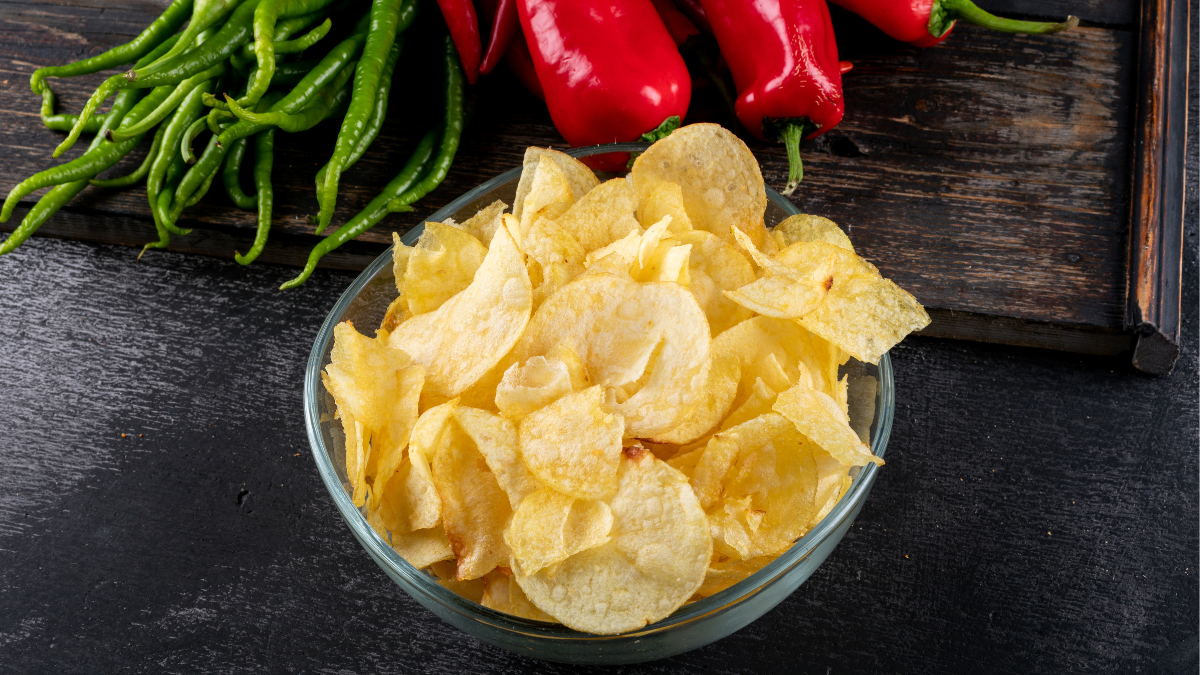
These days, attention spans vanish faster than a TikTok trend. As a result, even your average bag of potato chips markets itself better than your carefully planned quarterly ad campaign. Frankly, we’ve now entered the age of the snackfluencer, a world where snacks, especially potato chips, evolve into full-blown micro-celebrities.
Not only do they flaunt bold fonts and vibrant colors, but they also use cheeky taglines that stick. Additionally, some boast origin stories, limited-edition drops, and fiercely loyal fanbases. In short, it’s branding brilliance packed into a bite-sized bag.
Meanwhile, corporate brands continue clinging to outdated PowerPoint templates, crossing their fingers for some engagement. So, what changed? More importantly, how did potato chips turn into branding icons, and what practical lessons can your company steal from their playbook?
Let’s break it down, flavorfully.
The Evolution of the Humble Potato Chip
Back in the day, people treated potato chips as nothing more than a salty sidekick. You grabbed a bag, crunched through it, and quickly moved on. At the time, branding stayed minimal, and storytelling didn’t exist. In fact, chips blended into the background like wallflowers in the snack aisle. However, times have clearly changed.
Today, that same aisle resembles a catwalk. Each bag now demands attention with neon packaging, clever puns, and flavor names that could double as indie rock bands. (“Ghost Pepper Tango”? Absolutely.) This isn’t accidental. The chip industry has figured out that modern consumers want more than just flavor. They want a story, a personality, and snacks that say something about them, or at least look good in their hand during a Zoom call.
Snackfluencers: What Are They, Really?
Let’s define it: a snackfluencer is a snack brand (or product) with an outsized cultural presence, savvy social media strategy, and strong visual identity. It doesn’t just sit on shelves; it sparks conversations, dominates feeds, and garners loyal followers.
In the potato chips category, you see this with brands like:
- Takis – Loud, bold, unapologetically Gen Z.
- Kettle Brand – Earthy, craft-forward, borderline artisanal.
- Pringles – Quirky, meme-able, constantly reinventing.
- Lay’s Limited Editions – Viral flavors, fan votes, regional exclusivity.
These brands have personalities. They collaborate. They tease product drops. Some even sell merchandise. If that sounds like influencer behavior, that’s the point.
Potato Chips Have Better Visual Branding Than Your Pitch Deck
To be honest, most corporate brands still play it safe with visual identity. They choose conservative logos, rely on muted color palettes, and stick to messaging that’s so “professional” it borders on boring. In many cases, a startup’s brand guide looks like a sleep-deprived intern threw it together mid–caffeine crash.
In contrast, potato chips proudly show off. They embrace boldness, push design boundaries, and command attention, all straight from the snack aisle.
Look at the packaging evolution:
- Bold colors grab attention instantly.
- Custom fonts create brand recognition.
- Texture and material (matte, glossy, crinkle-cut bags) offer tactile identity.
- Iconography and mascots tell a story at one glance.
However, this goes beyond mere aesthetics. It’s about grabbing attention in an overcrowded marketplace. A bag of potato chips gets only a few seconds to stand out, whether on a shelf or a screen. Does that sound familiar? Your brand faces the same challenge. Yet, you’re still relying on Helvetica and beige.
The Power of Flavor Naming: Branding in a Crunch
Let’s talk about naming conventions, something potato chips have absolutely nailed.
Instead of “Spicy Chips,” you get:
- “Fiery Thai Chili Explosion”
- “Buffalo Blaze Inferno”
- “Jalapeño Tango Twist”
These names evoke emotion. They create curiosity. They dare you to try. That’s emotional branding, and it works.
Meanwhile, companies often default to flat, descriptive product names:
- “Enterprise Management Solution 3.0”
- “Automated Workflow Integrator”
No wonder no one clicks. Take a page from the snack aisle. If potato chips can be poetic, so can you.
Limited Drops, Unlimited Hype
Here’s where it gets interesting and strategic.
Potato chip brands now mimic streetwear marketing:
- Limited editions
- Flavor collabs
- Secret menu items
- Countdowns to drops
For example, consider Lay’s “Do Us a Flavor” campaign, which turned user-generated content into marketing gold. The brand actively collected millions of flavor suggestions, fueled nonstop social media buzz, and strengthened brand loyalty, all through one clever crowdsourced stunt. As a result, these tactics fuel FOMO, create urgency, and encourage trial. Even when a flavor sounds outrageous (Cappuccino-flavored potato chips, anyone?), people still buy it, just for the bragging rights.
How often does your brand generate curiosity like that?
Packaging That Pops (Literally and Figuratively)
Most potato chip packaging serves one clear goal: to disrupt the scroll and dominate the shelf. In fact, every inch of space plays a strategic branding role. For instance, the front of the bag tells a story in fewer than five words. Meanwhile, the colors boldly express personality, and the fonts feel fresh and deliberate.
Now, consider your brand’s homepage or product deck. Are you using that valuable real estate wisely? More importantly, can you convey something compelling in five words or fewer? After all, chips don’t get paragraphs, and neither should you.
The Social Media Game: Chips 1, Brands 0
Let’s compare social media strategies.
Potato chip brands are posting memes, TikToks, snack hacks, flavor teasers, and influencer collabs. They’re being playful, bold, and unapologetically weird.
Meanwhile, many companies are posting:
- Stock photos of team meetings
- National awareness days no one asked for
- Long LinkedIn posts about “innovation”
Guess which one gets shared more?
If a snack food can go viral for sliding into someone’s DMs or launching a spicy chip challenge, your brand can loosen the tie, too.
Brand Archetypes: Snacks Know Who They Are
Every great brand starts with a clear identity. Potato chip brands often embrace a clear archetype:
- The Rebel: Think Takis, rule-breaking, loud, edgy.
- The Creator: Kettle Brand, focused on craft, small batch, and authenticity.
- The Entertainer: Pringles, fun, quirky, playful.
- The Everyman: Lay’s, familiar, classic, family-friendly.
These identities shape everything from visuals to voice. Furthermore, they drive decisions, guide content, and build emotional connections. So, does your brand have a clearly defined voice? Or are you simply playing it safe?
Potato Chips, But Make It Merch
Surprisingly, people now wear their favorite potato chip brands with pride. You’ll find T-shirts, hoodies, and tote bags decked out with snack logos that once lived quietly in kitchen cabinets. This trend blends irony, nostalgia, and genuine style. Meanwhile, when was the last time someone wanted to wear your company’s logo? So, if you’re planning conference merch, skip the forgettable branded pens. Instead, lead with a vibe, just like the potato chips do.
Lessons Your Brand Can Learn from Potato Chips
So, what can you actually take away from all this? Let’s crunch it down:
- Be Bold with Visuals: Stop playing it safe. Use color and contrast to stand out.
- Give Your Brand a Personality: Even if you’re B2B, your buyers are still people.
- Name Like a Poet, Not a Programmer: Use flavor naming techniques to add emotion to products.
- Lean Into Limited Editions: Create time-bound experiences or offers to spark urgency.
- Get Weird on Social Media: Stop sounding like a corporate memo. Be real, be fun, be human.
- Define Your Archetype: Know who your brand is. Stay consistent and lean in hard.
Final Crunch
When it comes to brand presence, potato chips consistently punch above their weight class. They bring the fun, deliver bold flavor, and play the branding game better than many traditional companies. Moreover, these snacks go viral, attract cult-like followings, and even roll out their own merch lines. So, what’s holding your brand back? After all, some of the sharpest branding lessons come straight from the snack aisle, especially when those snacks outperform your entire marketing team.
P.S. Next time you visit a store, stroll past the potato chips section. Take a moment to admire their hustle, then shamelessly borrow it.


