IoT in Kitchen: Convenience, Calories, and a Dash of Surveillance
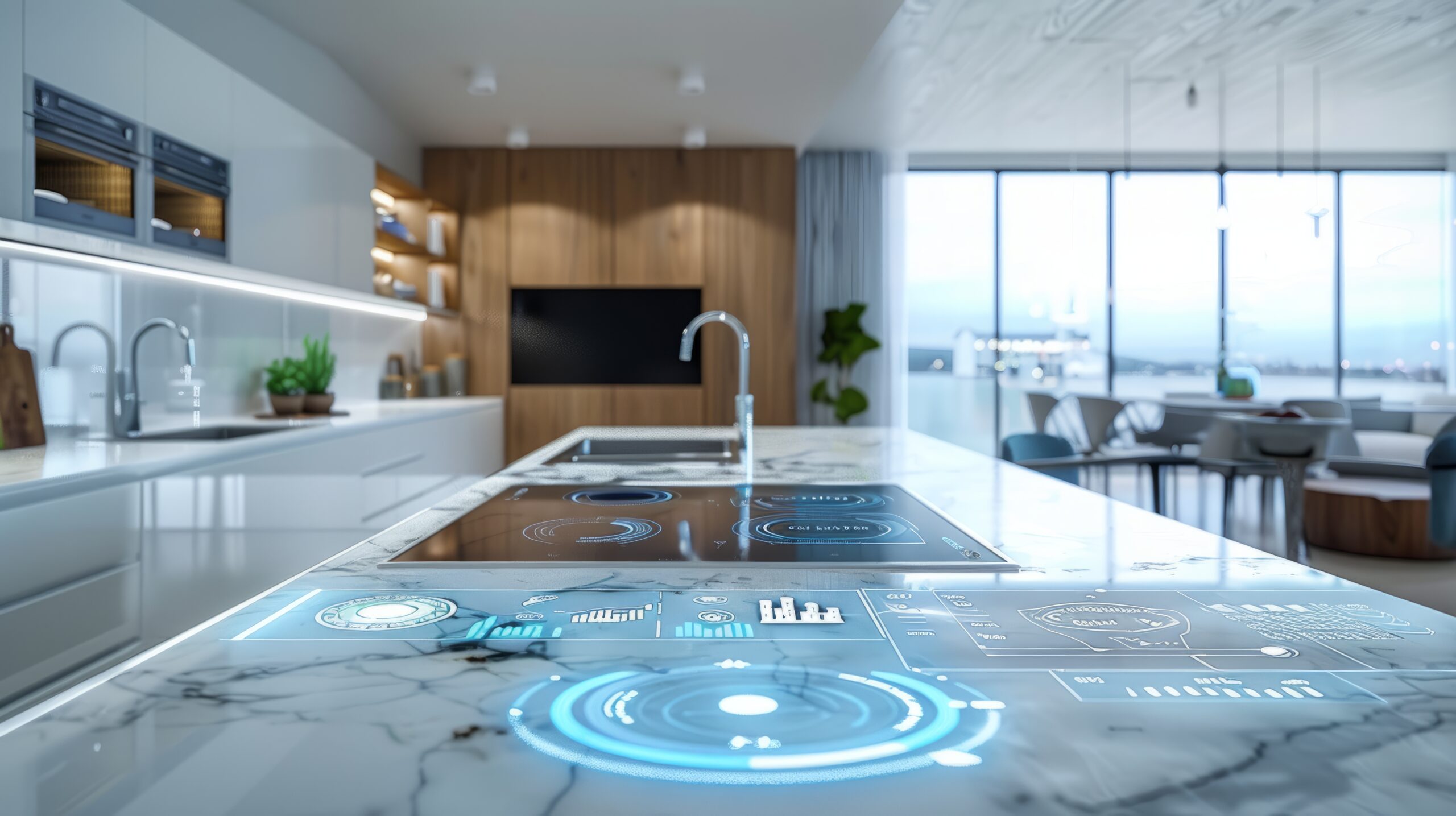
Once, your fridge was simply a cold box filled with magnets and forgotten leftovers. However, today it’s watching you closely. It knows when you bought that kale, and it knows you still haven’t used it. What’s more, it might just tell someone. Welcome to the era of IoT in kitchen spaces, where appliances hold opinions and possibly maintain a direct line to your conscience.
In this brave new world, your fridge doesn’t just cool your food; it collects data, monitors habits, suggests shopping lists, and, dare we say it, judges your dietary decisions. Before we welcome our AI-powered sous chefs with open arms, let’s take a closer look at the implications of connected kitchens.
The Rise of the Smart Kitchen
The concept of the smart home has gone beyond lights and thermostats. Today, smart fridges scan barcodes, track expiration dates, and suggest recipes based on what’s inside. Some even connect to your fitness tracker, matching your caloric intake with your lifestyle.
This integration of IoT in kitchen appliances is meant to simplify life. But what starts as convenience can quietly become surveillance.
Is your fridge just being helpful, or is it keeping tabs?
Your Fridge Is Smarter Than You Think
Smart fridges collect a surprising amount of data. They know what you eat, when you eat it, and how often you buy it. They detect patterns. If you always reach for dessert after 10 p.m., they notice.
Many connect to mobile apps. Some sync with grocery delivery services. Others notify you when you’re running low on almond milk. It all sounds futuristic and efficient, until you realize your fridge might know you better than your best friend.
Still think it’s just a fridge?
When Convenience Meets Creepy
Let’s say you buy ice cream regularly. Your fridge tracks it. Over time, it recommends “healthier alternatives.” It might even link to your fitness app and suggest reducing sugar.
Helpful? Sure. Intrusive? Definitely.
This is the dark side of IoT in kitchen setups. Convenience walks hand-in-hand with subtle behavioral nudging. You thought you were in control, but your fridge has other ideas.
Who Owns Your Food Data?
Here’s where things get serious. All that juicy data, shopping habits, preferences, waste patterns, doesn’t just sit in your fridge. It’s uploaded, often to the cloud. Manufacturers, app developers, and third-party services can access it.
So, who owns your food data? Is it you, the consumer? Or the company that made your smart appliance?
The answer isn’t always clear. And that’s a problem.
The Ethics of Food Surveillance
Let’s call it what it is: food surveillance. Your fridge isn’t just storing leftovers, it’s monitoring behavior. And it’s not the only one. Smart ovens, voice-activated assistants, and Wi-Fi-enabled coffee makers are all part of this interconnected ecosystem.
With IoT in kitchen spaces, ethical questions arise:
- Is it ethical to track food waste without consent?
- Should devices suggest healthier choices based on inferred habits?
- Who decides what is “healthy” or “wasteful”?
These are not hypothetical questions. They affect real decisions in homes today.
Data-Driven Dieting: A Blessing or Burden?
For health enthusiasts, IoT kitchen gadgets are a dream. They help manage portions, track macros, and integrate with fitness routines. They enable accountability. But there’s a fine line between accountability and guilt. When your fridge reminds you that you’ve had pizza three nights in a row, it’s no longer helpful. It’s passive-aggressive.
Suddenly, every snack feels like a performance review.
Smart Doesn’t Mean Secure
Security remains one of the biggest concerns in the world of IoT in kitchen devices. These appliances are connected, but not always well protected. They can be vulnerable to hacks, data breaches, or worse, manipulation.
Imagine someone remotely adjusting your fridge temperature. Or accessing your grocery data to target ads. It’s not science fiction. It’s already happening.
Food Choices as Consumer Data
In marketing, data is gold. The more companies know about you, the more they can sell. Your kitchen habits are no exception. If you buy organic milk weekly, expect ads for vegan recipes. If you regularly eat frozen meals, your inbox might soon fill with “quick-fix dinner” promotions.
IoT in kitchen devices doesn’t just help you cook. They help companies cook up ways to sell more.
The Illusion of Control
Many users believe they control their smart devices. But most of these gadgets operate behind opaque privacy policies and vague user agreements. Settings may allow some control, but never complete autonomy. That “accept all” button? It’s a data free-for-all.
And while you think you’re benefiting from smart tech, the reality is: your data is the product.
Tech Guilt Is the New Kitchen Shame
Forget burnt toast; now your fridge knows you haven’t used those vegetables again. Moreover, some apps track and report your waste trends over time. Consequently, the guilt becomes more than emotional; it becomes quantified. In fact, IoT in kitchen technology is actively measuring your laziness.
Also, if you’ve ever ignored a fridge notification like, “Your broccoli expires tomorrow,” you already know the feeling.
The Case for Ethical IoT Design
So, what’s the solution?
Tech doesn’t need to disappear; it just needs a moral compass. Developers must build ethical design into the core of smart appliances. That includes:
- Transparent data policies
- Opt-in (not opt-out) tracking
- Meaningful user control
- Respect for diverse diets and lifestyles
Consumers must demand these changes. Otherwise, our appliances will continue evolving unchecked.
Can We Unplug from the Judgement?
Although IoT in kitchen technology has flaws, it isn’t inherently harmful. Like any tool, it relies on how we use it and how much control we choose to keep. For instance, if you want a fridge that helps reduce food waste, that’s a smart choice. However, if you want it to notify your doctor about your soda intake, that might be a step too far.
Therefore, we must strike a balance. While convenience offers value, it should never come at the expense of privacy, autonomy, or peace of mind.
Conclusion: Who’s in Charge, You or the Fridge?
Ultimately, this isn’t about the fridge; it’s about control.
As we continue welcoming more tech into our homes, we must ask tough questions. Are these devices truly helping us, or are they subtly steering our decisions? Are they empowering us, or quietly choosing on our behalf? After all, the original promise of IoT in kitchen design aimed to simplify our lives, not manage them. But if your appliances are judging you, maybe it’s time to rethink who’s actually in charge.
So, the last thing we need, after a long day, is a fridge silently scolding us for eating cake.