Kosher Food: Everything You Need to Know
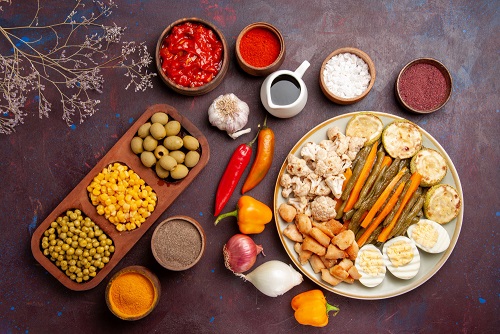
As demand for diverse dining options grows, food operators and restaurants have an opportunity to cater to kosher customers. To serve this audience effectively, businesses must understand what kosher means, the rules behind it, and how to prepare kosher meals properly. In doing so, they not only expand their customer base but also show respect for deeply rooted traditions.
What Does Kosher Mean?
The word “kosher” comes from Hebrew, meaning “fit” or “proper.” It refers to food that Jewish law deems suitable for consumption. Specifically, Jewish dietary laws, known as kashrut, outline kosher standards based on ethical, spiritual, and food safety principles.
Importantly, these rules don’t just define ingredients—they also dictate how to source, handle, and prepare food. Many Jews view kosher eating as an expression of spiritual discipline and reverence for tradition. However, individuals and communities vary in how strictly they follow these laws.
Core Restrictions
A fundamental kosher law requires the separation of meat and dairy. Therefore, kosher food falls into three main categories:
- Meat (fleishig): Includes mammals and birds, as well as related products like broth and bones
- Dairy (milchig): Includes milk, cheese, yogurt, and butter
- Pareve: Covers neutral items such as eggs, fish, fruits, vegetables, and grains
Because of this, people who follow kosher laws avoid serving or consuming meat and dairy together. They also use separate cookware, utensils, and often separate kitchen areas to maintain this separation.
Key Kosher Food Rules
To ensure food stays kosher, businesses and individuals must follow specific rules:
- Slaughter (Shechita): A trained professional called a shochet performs a swift and humane slaughter that minimizes animal suffering.
- Separation: Individuals must keep meat and dairy completely separate throughout preparation, cooking, and serving.
- Supervision: A rabbi or authorized kosher agency inspects and certifies facilities, ingredients, and processes.
- Forbidden Ingredients: Jewish law prohibits blood, insects, certain fats, and non-kosher animals.
Altogether, these rules serve both practical and spiritual purposes, reinforcing food safety, animal welfare, and religious integrity.
The 3 Kosher Food Categories
Let’s explore each category in more detail:
1. Meat (Fleishig)
This group includes beef, lamb, goat, and poultry—but only from kosher species that chew their cud and have split hooves. After the animal is slaughtered, the meat goes through soaking and salting to remove all blood.
2. Dairy (Milchig)
Dairy items, including cheese, milk, and yogurt, must come from kosher animals and follow kosher production standards. Moreover, kosher kitchens must never allow any contact between dairy and meat—whether in ingredients, equipment, or storage.
3. Pareve
Pareve foods are neutral and can accompany either meat or dairy meals. For example, this category includes eggs, fish with fins and scales, fruits, vegetables, grains, and legumes. However, proper labeling and preparation are crucial to preserving pareve status.
List of Kosher Foods
1. Animals
Only land animals that chew their cud and have split hooves qualify as kosher. For instance, cows, goats, sheep, and deer meet these criteria, while pigs, camels, and rabbits do not.
Acceptable birds include chickens, ducks, geese, turkeys, and pigeons. In contrast, birds of prey—such as hawks and owls—are not kosher.
Fish must have both fins and removable scales. Therefore, salmon, cod, and halibut are allowed, while shellfish, catfish, and eel are not.
2. Fish
Fish qualify as kosher when they have both fins and easily removable scales. Examples include:
- Salmon
- Tuna
- Cod
- Halibut
- Tilapia
On the other hand, seafood like shrimp, lobster, or clams lacks these features and is therefore non-kosher.
3. Dairy
Kosher dairy products must come from approved animals and must be produced according to kosher standards. Typically, manufacturers use dedicated equipment for dairy to avoid contamination from meat.
Common kosher dairy items include:
- Milk
- Cheese
- Yogurt
- Butter
- Ice cream
- Cream cheese
4. Fruits & Vegetables
Fruits and vegetables are naturally kosher, but they require proper inspection to ensure they don’t contain insects. Even a single tiny insect can render the food non-kosher.
Additionally, fruits and vegetables processed on non-kosher equipment may lose their kosher status. As a result, many kosher consumers rely on certification to confirm compliance.
5. Nuts & Honey
Nuts like almonds, walnuts, peanuts, and cashews are kosher in their raw form. However, nuts roasted or flavored with non-kosher additives require certification.
Although bees are not kosher, pure honey is generally accepted as kosher. Still, many observant individuals prefer certified honey to guarantee it hasn’t been processed with non-kosher ingredients.
Non-Kosher or Forbidden Foods
Jewish dietary laws strictly forbid certain foods, regardless of preparation:
- Non-kosher land animals: Includes pigs, camels, and rabbits
- Non-kosher seafood: Such as catfish, eel, shellfish, clams, and oysters
- Predatory birds: Such as vultures, eagles, owls, and hawks
- Insects: Most insects are non-kosher, making inspection critical
- Blood: Kosher meat must be fully drained of blood
- Meat and dairy mixtures: Kosher rules ban combining meat and dairy in any way
- Forbidden animal parts: Certain fats and the sciatic nerve may not be consumed
- Crossbreeding: Animals or plants resulting from mixed species are not kosher
Together, these prohibitions promote not only spiritual mindfulness but also hygiene and ethical treatment of animals.
Why Kosher Matters for Businesses
Today’s consumers increasingly value transparency, quality, and ethical sourcing. Consequently, by offering kosher options, businesses demonstrate respect for these values—and diverse cultural traditions.
In fact, kosher certification also appeals to many non-Jewish customers who associate kosher food with cleanliness and high production standards. To achieve this, food businesses that want to serve kosher customers must train staff, separate equipment, and partner with trusted certifying agencies.
While the initial setup requires planning, the result is access to a broader, loyal customer base.
Conclusion
Kosher food represents more than a religious requirement—it embodies a commitment to ethical eating, health, and tradition. For this reason, food operators and manufacturers offering kosher choices signal inclusion, integrity, and care.
Ultimately, by following kosher guidelines with respect and diligence, businesses create inclusive spaces that welcome both observant Jewish customers and anyone seeking quality food with purpose.