Panasonic Targets 2027 for High-Capacity EV Battery Launch
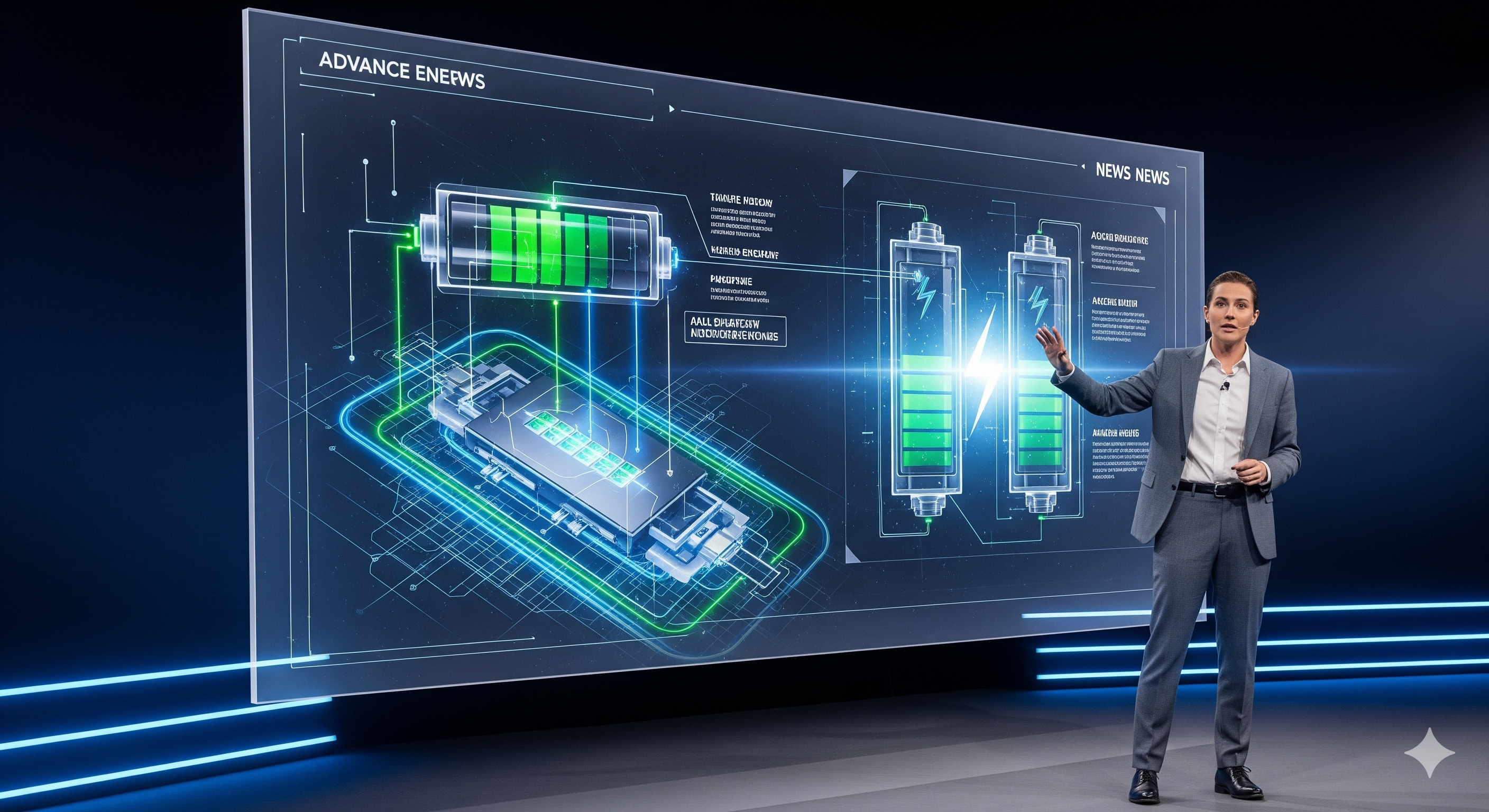
New Delhi, September 18, 2025 – A new EV battery from Panasonic may soon revolutionize Tesla’s vehicle performance and the wider electric car market. The Japanese tech firm has announced its intent to build a next-generation high-capacity battery within two years. This ambitious development could provide Tesla with a major edge in the ongoing race for EV supremacy.
Instead of using traditional battery architecture, Panasonic is developing an “anode-free” design. By skipping the anode during initial production, the company hopes to significantly raise the battery’s energy density. In practical terms, this could increase range by up to 25%. Consequently, Tesla’s Model Y might gain about 90 additional miles (roughly 145 kilometers) per charge. This would happen without increasing the size or weight of the battery pack.
The technology was previewed by Shoichiro Watanabe, the Chief Technology Officer of Panasonic Energy. According to him, this new battery will generate a lithium metal anode only after its first full charge. This strategy creates more internal space for active materials such as nickel, aluminum, and cobalt. These elements are critical to storing more energy without expanding the battery’s size.
Although competitors are exploring similar solutions, Panasonic is confident its version will lead in performance and efficiency by the end of 2027. Meanwhile, the company is also working to reduce its reliance on nickel. Since nickel is costly and difficult to source, minimizing its use could lower overall production expenses.
However, Panasonic has not confirmed whether these changes will make EVs cheaper for consumers. The company declined to comment on cost details or pricing plans. That said, industry watchers are eager to see how this new EV battery will shape buyer expectations.
Tesla currently faces growing competition. Reports reveal a notable decline in its U.S. market share, which hit an eight-year low this past August. Buyers are increasingly turning to updated EV models from newer car brands. Panasonic’s battery breakthrough might offer Tesla a timely boost in both performance and public perception.
More than just extending range, this innovation could allow automakers to develop lighter EVs with unchanged power output. A lighter vehicle can translate into lower manufacturing costs and improved efficiency. These advantages could make electric vehicles more appealing to mainstream drivers, not just enthusiasts.
Battery research and development is accelerating across the industry. As demand for clean mobility grows, suppliers are racing to deliver better energy solutions. Panasonic’s latest announcement reflects this competitive drive and a clear push toward EV market leadership.
Industry analysts see promise in the anode-free approach. These types of batteries not only simplify structure but also raise the amount of usable material inside. That makes them strong candidates for solving common EV concerns, especially limited range.
The company’s move also fits into a broader trend. Many manufacturers now aim to reduce environmental impact while increasing battery performance. By cutting dependence on rare materials like cobalt and nickel, Panasonic is contributing to a more sustainable and stable global supply chain.
Although it hasn’t confirmed exclusive use by Tesla, Panasonic has a long-standing partnership with the American EV leader. Therefore, Tesla is likely to be among the earliest adopters of this advanced battery technology. Whether other automakers will get access remains unclear for now.
As the auto industry shifts toward sustainable alternatives, innovations like this play a crucial role. They can help close the gap between fossil-fuel vehicles and their electric counterparts. Improved batteries are essential not only for range and efficiency but also for broader public acceptance.
Panasonic’s progress will be watched closely by stakeholders around the world. Over the next two years, the company will face the challenge of delivering on its promise. If successful, this EV battery could redefine expectations and move the electric vehicle industry into its next era.
Without a doubt, the outcome of this project could influence the future of both Panasonic and Tesla. More importantly, it may reshape the path toward global electric mobility.