Hydrogen Cars Lag in the US Due to Price and Fueling Issues
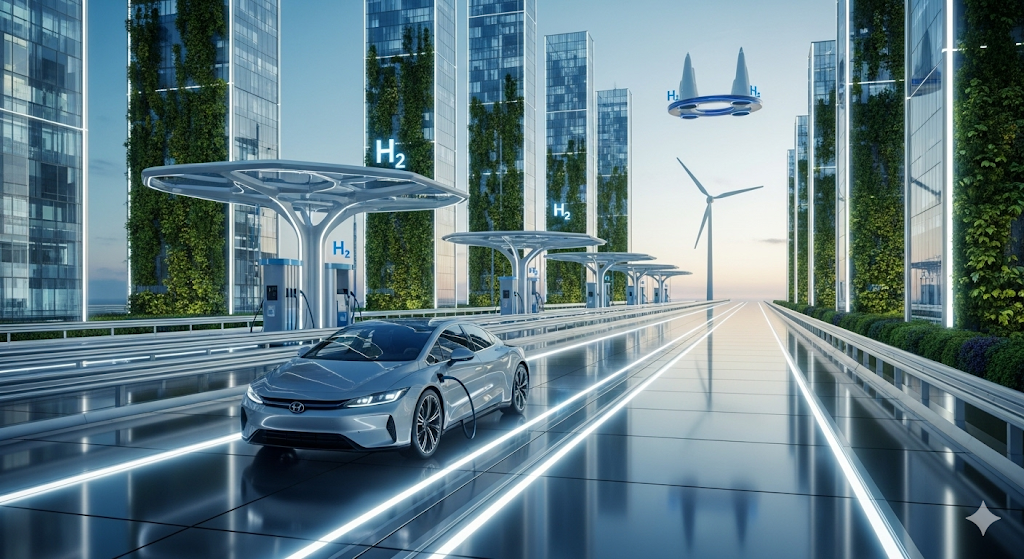
Hydrogen cars present a promising solution for reducing vehicle emissions. They operate cleanly and emit only water vapor. Despite their environmental benefits, these cars have not gained significant traction in the United States. Consumers remain hesitant, and adoption continues to be slow.
Although hydrogen cars offer quick refueling and long driving ranges, they face major obstacles. The most critical issue is the limited availability of refueling stations. Most hydrogen infrastructure is located in California, leaving other states with minimal access. This makes these cars impractical for many drivers across the country.
Electric vehicles, on the other hand, benefit from a widespread charging network. This gives them a clear advantage in terms of convenience and accessibility. As a result, many consumers prefer electric vehicles over hydrogen cars. Until the refueling network expands, these eco-friendly cars will remain a niche option.
Another challenge is the high cost of these vehicles. These vehicles rely on advanced fuel cell systems and expensive components. This leads to high production costs and elevated retail prices. Even with financial incentives, these cars remain unaffordable for many potential buyers.
Fueling hydrogen cars is also more expensive than charging electric vehicles. Hydrogen fuel prices are often unstable and higher than gasoline. This makes the cars less attractive to cost-conscious consumers. Therefore, electric vehicles continue to dominate the clean transportation market.
Automakers have shown interest in hydrogen cars, but their efforts are limited. Companies such as Toyota, Hyundai, and Honda have introduced hydrogen models. However, production volumes are low, and availability is restricted. Manufacturers cite low demand and high development costs as key concerns.
Some automakers have shifted their focus to electric vehicles. They invest in battery technology and charging infrastructure instead. This reflects current consumer preferences and market trends. Without strong industry backing, hydrogen cars face an uphill battle.
Public understanding of cars is also lacking. Many Americans are unaware of the technology and its advantages. Surveys reveal that most drivers cannot identify a hydrogen car model. This lack of awareness contributes to slow adoption.
Additionally, consumers often confuse hydrogen cars with electric vehicles. They do not understand the differences in fueling, performance, and maintenance. This confusion leads to hesitation and missed opportunities. Clear education and outreach are needed to build interest and trust.
Despite these challenges, hydrogen cars offer significant environmental benefits. They help reduce greenhouse gas emissions and improve air quality. Their fast refueling and long range make them suitable for commercial use and long-distance travel. If adopted more widely, these cars could reshape transportation.
Government support for hydrogen cars exists, but is inconsistent. California leads with strong incentives and infrastructure investments. Other states offer limited assistance, creating a fragmented policy environment. A coordinated national strategy could boost adoption and innovation.
Looking forward, the future of hydrogen cars remains uncertain. Technological improvements may lower costs and enhance efficiency. Expanded infrastructure could make these cars more accessible. If these changes occur, the cars may finally gain momentum in the US market.
However, hydrogen cars still face considerable barriers. Infrastructure limitations, high costs, and low public awareness continue to hinder growth. Electric vehicles dominate the clean transportation space. Unless conditions improve, these sustainable cars will remain a promising but underused solution.
In summary, hydrogen cars offer a compelling vision for sustainable mobility. Yet, in the United States, they struggle to move beyond early adoption. Addressing infrastructure and cost challenges is essential for their success. With coordinated efforts, these cars could play a vital role in the future of clean transportation.