Messaging App, Max, a Hotbed for Scams
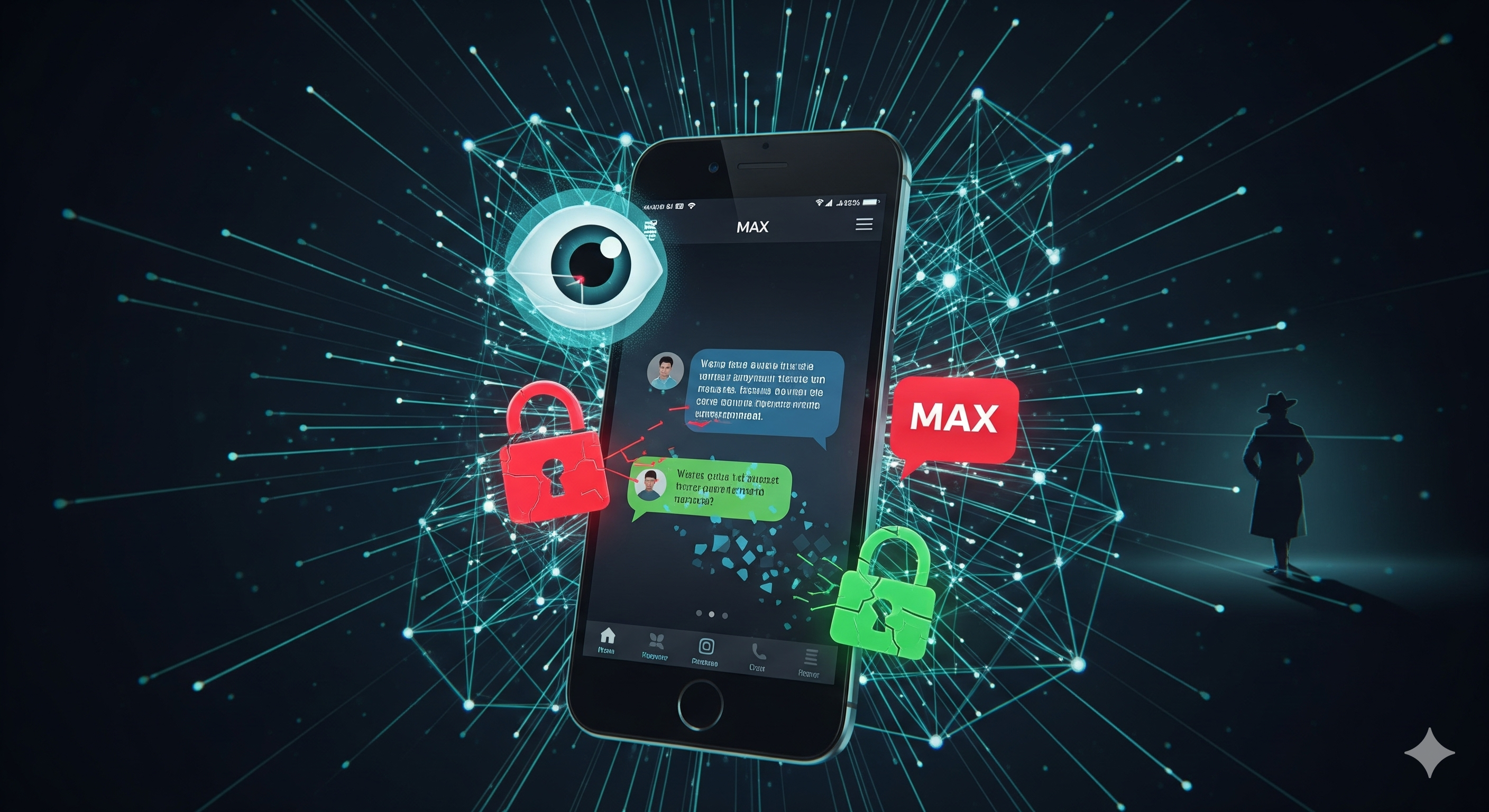
Scams are rapidly increasing on the messaging app Max. This Kremlin-backed application is now a hotbed of fraud. Indeed, thousands of ads appear on darknet forums. These ads offer account access to this messaging app. This situation raises serious cybersecurity concerns. The app, which VK developed, launched in March. The Kremlin made it a top priority. It is now pre-installed on new devices across Russia. Authorities marketed the messaging app as a secure option. However, its vulnerabilities are becoming clear.
In fact, new schemes are emerging daily. Fraudsters are selling access to Max accounts. They demand between $10 and $250 for temporary control, as they exploit these accounts for their own scams. This leads to bypassing regular spam filters. They trick people into sending money. They also trick them into sharing private data. The growing fraud on this messaging app is alarming. It reveals a pattern of weakness. The app’s fast growth created a large, vulnerable user base. The developers have acknowledged these problems.
The developers of the Max messaging app have called the issues “isolated,” but they are taking action. For example, they blocked 67,000 bad accounts in August. To improve security, they have also formed key partnerships, working with Sberbank and Kaspersky Lab. Furthermore, new laws are now in place, which criminalize account transfers and could land offenders a two-year jail sentence. Despite these measures, scams on the messaging app continue. As a result, the Interior Ministry issued a public warning, noting that account rentals were among the first scams on Max, a truly troubling trend.
Early bug bounties exposed the app’s flaws, as security researchers found vulnerabilities quickly. Since then, the company has paid rewards, hoping to patch these serious security gaps. This situation demonstrates the risks of rushed development, where developers chose speed over proper security and left many users exposed. The messaging app also has privacy issues; it gathers extensive user data, including IP addresses and contact lists. Its privacy policy permits data sharing with state authorities, so many people call the Max messaging app a surveillance tool. This dual nature of the app creates more risks for users.
Furthermore, experts worry about the app’s future role, suggesting it could become a “digital gulag” that restricts digital freedoms. The app’s mandatory installation raises questions, as users cannot register without a Russian or Belarusian number. Since the developers also block virtual numbers, they make access difficult for many. While other platforms have had similar problems, this case is different because the app is state-backed and mandated. Consequently, this context elevates the risks for users, as a single point of failure could affect millions.
This situation requires constant monitoring. The security of the Max messaging app has become a national concern, as the Kremlin’s push for digital autonomy involves a clear trade-off between control and user security. Ultimately, people who use this messaging app are at risk, facing constant threats of fraud and data breaches. While the state uses the app for control, criminals exploit its flaws. Therefore, the Max messaging app has become a criminal tool, and the situation demands that users remain vigilant.