Eldercare Enhanced with AI for Caregiver Productivity
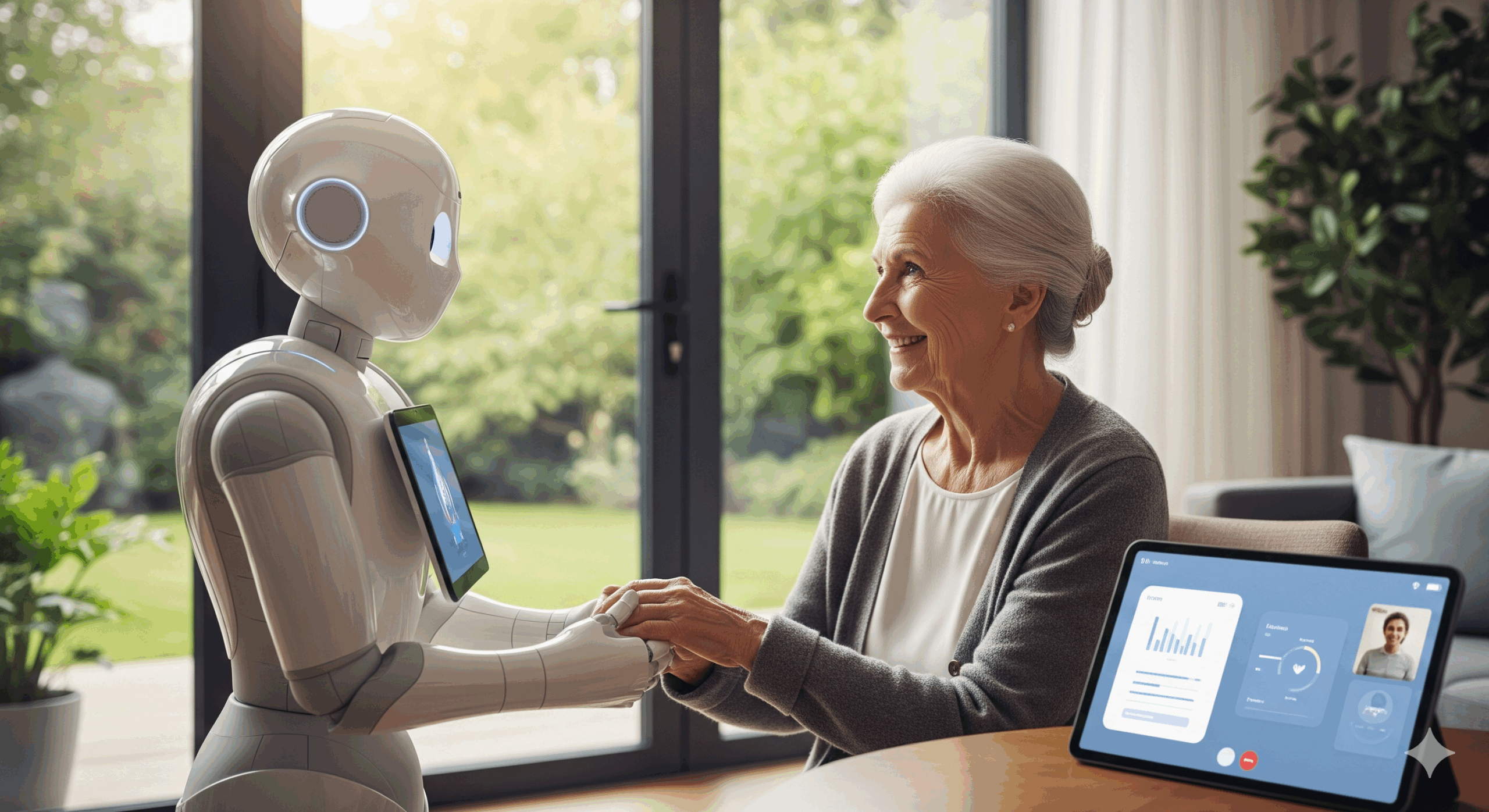
Artificial intelligence is making a strong impact on eldercare. As the global population ages, eldercare demands continue to increase. AI offers practical tools that improve caregiving and reduce stress for home healthcare workers. Experts believe AI can transform eldercare in meaningful ways.
Eldercare involves many routine tasks that consume time and energy. AI automates these tasks, giving caregivers more time for personal care. Smart devices monitor health indicators and alert caregivers to any changes. This improves response times and reduces errors. Seniors benefit from more attentive care.
AI also helps manage medications. It sends reminders and tracks doses accurately. This ensures seniors take their medicine on time. Caregivers experience fewer mistakes and less pressure. Eldercare becomes safer and more dependable. Communication improves with AI tools. Caregivers, doctors, and families can share updates instantly. Everyone stays informed about the patient’s condition. This builds trust and improves coordination. Eldercare benefits from better collaboration and faster decisions.
In addition to its practical uses, AI also supports emotional health. Many seniors experience isolation, especially when living alone. To address this, AI-powered companions engage them with conversation, games, and helpful reminders. As a result, these tools offer comfort and significantly reduce feelings of loneliness. Although they do not replace human interaction, they contribute meaningful value to eldercare.
Furthermore, AI plays a key role in creating personalized care plans. By analyzing medical records and monitoring daily habits, AI generates tailored suggestions for caregivers. Consequently, these insights lead to better health outcomes and increased satisfaction. Eldercare, in turn, becomes more responsive and customized to individual needs.
In the realm of caregiver training, AI offers powerful support. Virtual simulations teach caregivers how to handle emergencies effectively. In addition, AI provides real-time performance feedback. This continuous learning process strengthens caregivers’ skills and boosts their confidence. As a result, the workforce becomes more capable, ultimately benefiting the quality of eldercare.
Safety remains a top priority in eldercare, and AI addresses this concern directly. AI-powered sensors detect falls and send instant alerts to caregivers. Meanwhile, smart systems automatically adjust lighting and temperature to prevent accidents. These innovations create safer living environments and enable caregivers to respond more quickly and effectively.
To improve efficiency, AI automates time-consuming administrative tasks such as scheduling, billing, and documentation. This automation not only saves time but also reduces the likelihood of human error. As a result, caregivers can devote more attention to direct patient care, making eldercare both more efficient and less stressful.
However, the growing use of AI in eldercare also raises ethical questions. Privacy stands out as a key concern, as constant monitoring may cause discomfort among seniors. Therefore, developers must prioritize systems that respect individual dignity and autonomy. Crucially, human oversight remains essential to preserve empathy and ensure ethical use.
In addition, not every senior feels comfortable using AI tools. Some may resist new technology due to unfamiliarity or distrust. To ease this transition, caregivers should introduce AI gradually and offer continuous support. Eldercare must remain inclusive and sensitive to each individual’s preferences and comfort levels.
Another challenge involves cost. Advanced AI systems can be prohibitively expensive, making them inaccessible for smaller eldercare providers. To ensure equity, governments and organizations must invest in affordable and scalable solutions. This way, all seniors—regardless of their socioeconomic status—can benefit from technological advancements.
Looking ahead, AI holds tremendous potential to transform eldercare. As technology becomes more intuitive and user-friendly, it will be easier to integrate into daily routines. Ongoing collaboration between tech developers and healthcare professionals will drive innovation. As a result, eldercare will become smarter, safer, and more compassionate.
In summary, AI has the power to revolutionize eldercare. By supporting caregivers, enhancing safety, and improving emotional well-being, it addresses many of the sector’s core challenges. With thoughtful and ethical implementation, AI can reshape how we care for aging populations—making eldercare more efficient, personalized, and humane.