Drinking Water Access Fails in Rural West Virginia
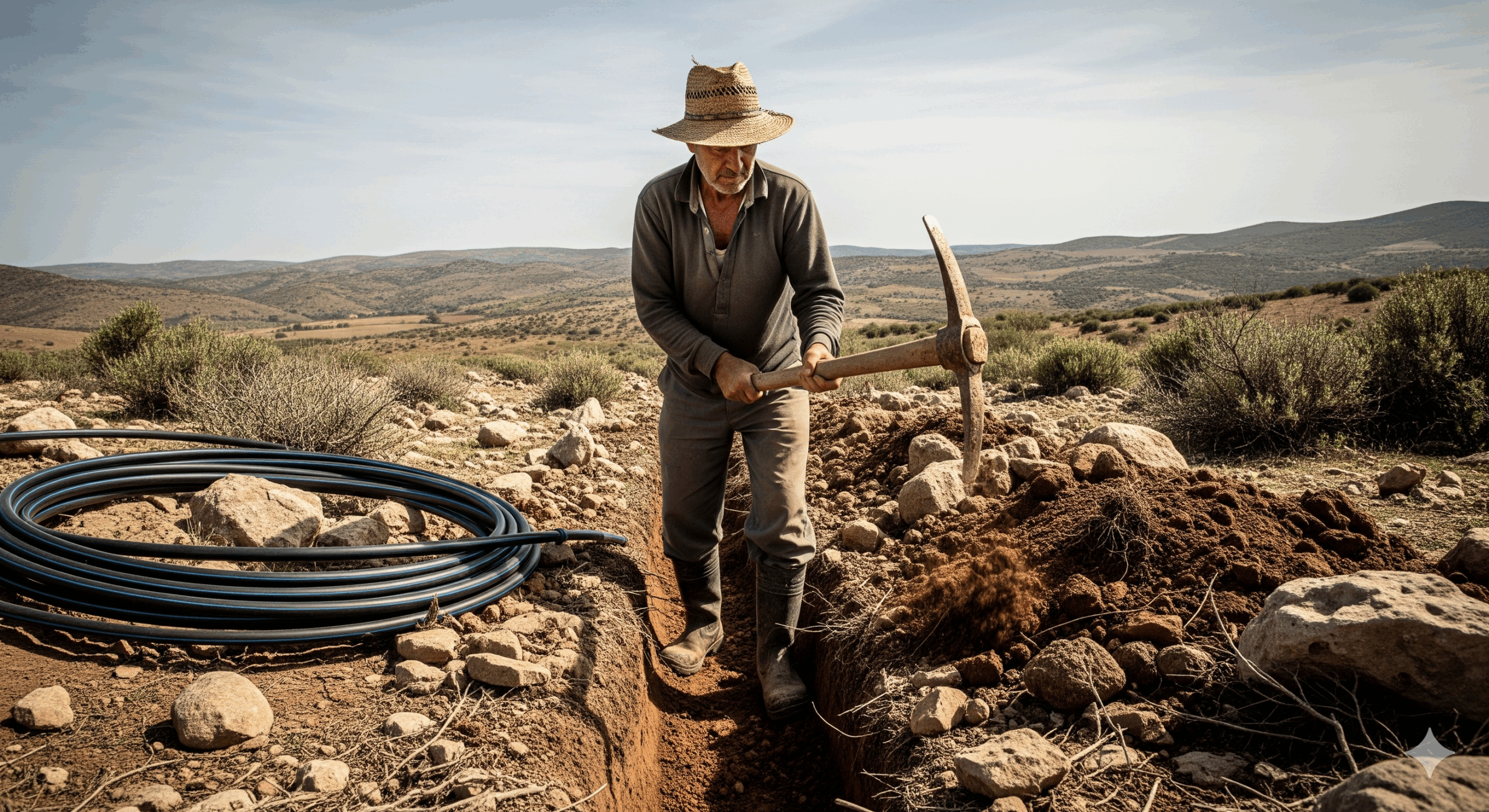
A new report has revealed a troubling reality in rural West Virginia. Thousands of residents still lack access to clean drinking water. This crisis, rooted in decades of economic decline and infrastructure neglect, continues to affect entire communities. Many people rely on untreated sources like springs and abandoned coal mines for their daily water needs.
Historically, coal mining companies built and maintained water systems in these areas. When the coal industry collapsed, officials abandoned those systems. As a result, they left residents without reliable drinking water. They had no choice but to create makeshift solutions. Some dug trenches and laid pipes themselves to access nearby water sources.
In towns such as Kimball and Rhodell, water treatment plants have fallen into disrepair. These facilities, once vital to public health, now sit idle and crumbling. Rusted pipes, broken windows, and collapsed roofs are common sights. In many cases, the only available water comes from underground mines. These sources are not tested or treated, raising serious health concerns.
Roman Patsey, a longtime resident, has relied on mine water for nearly 50 years. Although he never tested it, he had no other option. Similarly, his experience reflects a broader reality across the region. According to the Environmental Protection Agency, approximately 250,000 West Virginians use untreated water, which often contains contaminants left behind by decades of mining.
Moreover, economic hardship further worsens the situation in these communities. With an average household income of only $30,000 per year, residents struggle to afford necessary repairs or upgrades to outdated water systems. As a result, without external assistance, many families remain trapped in unsafe living conditions and continue to live without access to clean drinking water.
In response, nonprofit organizations have started to fill the gap. For example, DigDeep, through its Appalachia Water Project, has begun installing new water systems. In Rhodell, the organization is delivering clean drinking water to homes for the first time in years. However, the crisis remains overwhelming. Many local public service districts lack the staff and resources needed to maintain even basic infrastructure.
Importantly, this water crisis is not limited to West Virginia. Across the United States, over two million people lack reliable access to running water, and another 30 million depend on systems that frequently violate safety standards. These statistics reveal a widespread national infrastructure issue, with rural and low-income areas being particularly vulnerable.
To address the problem, Congress has begun taking action. A new amendment requires the Environmental Protection Agency to assess current conditions, identify available resources, and propose concrete solutions. This amendment marks the first formal federal recognition of the water crisis in counties like McDowell and Wyoming. Lawmakers hope this initiative will lead to greater funding and faster intervention.
At the same time, the crisis raises serious concerns about environmental justice. Many affected communities are low-income and politically underrepresented, which makes it harder for them to secure clean water. Consequently, this situation highlights the urgent need for equitable and inclusive infrastructure development—because everyone deserves access to safe drinking water, regardless of their income or location.
Some experts advocate for privatizing water systems as a potential solution. Nevertheless, critics caution that privatization could prioritize profit over public health. Instead, many advocates call for stronger public oversight and greater community involvement. Ultimately, sustainable solutions must prioritize long-term safety and accessibility. Only then can we build reliable and resilient drinking water systems.
For residents like Patsey, the arrival of clean water is transformative. After decades of uncertainty, turning on a tap and seeing clear water is a powerful moment. It brings dignity, health, and hope for a better future. No one should have to question the safety of their drinking water.
The situation in rural West Virginia is a wake-up call. It reminds us that access to clean drinking water is not guaranteed. It requires investment, attention, and a commitment to equity. As the nation moves forward, ensuring safe water for all must remain a top priority.