Digital Twins: Making Smart Cities Smarter
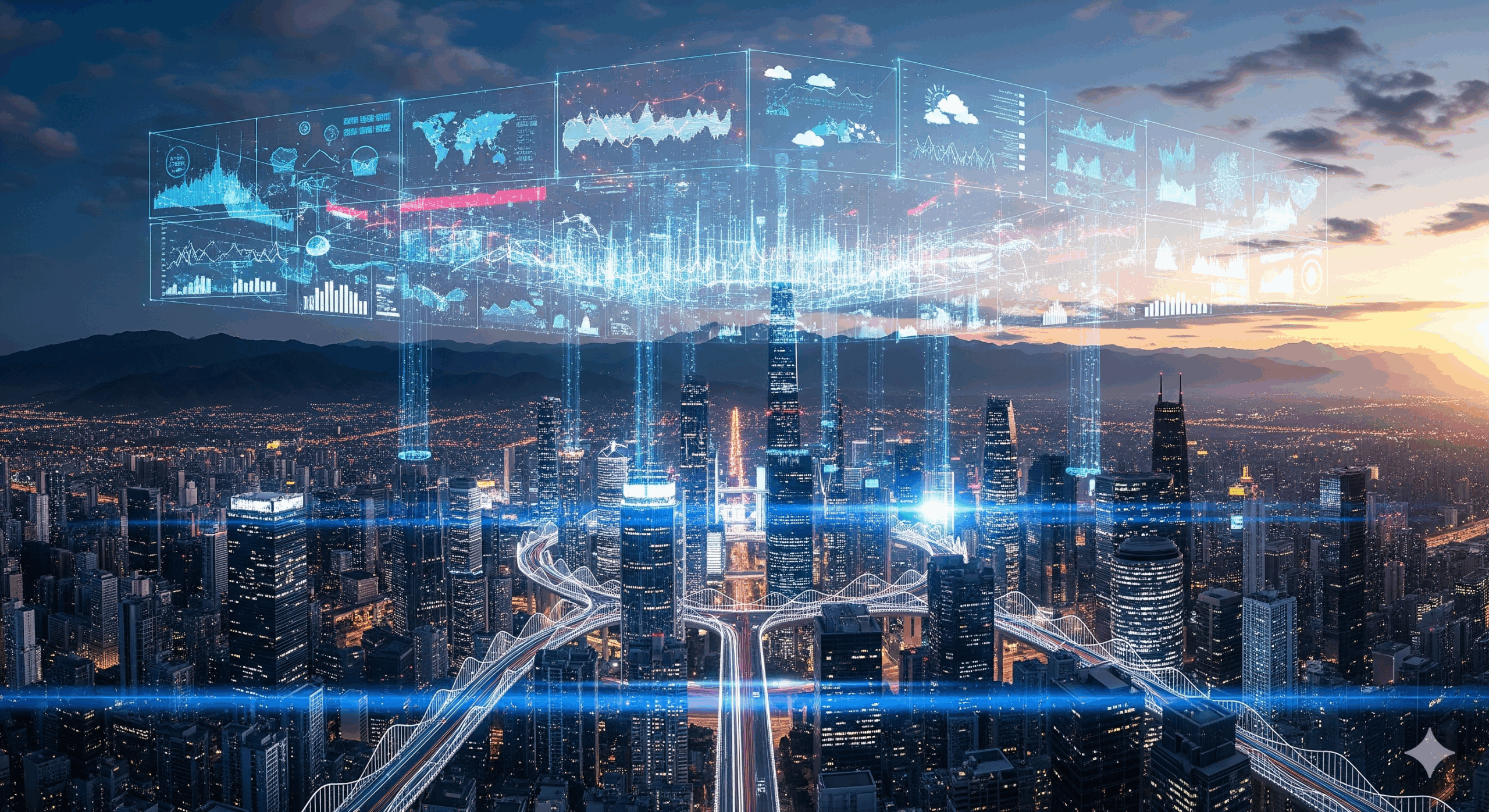
Once upon a time, in a land not so far away, cities faced countless challenges. Traffic snarls, energy waste, and emergency response woes plagued urban dwellers. Yet, a new kind of magic now transforms our metropolises. Enter the “Digital Twins,” a technological marvel. It is like a wise, all-knowing mirror. This mirror reflects our cities with stunning accuracy. Furthermore, it helps us build smarter, more resilient urban environments. So, let’s explore this modern-day fairytale.
The Enchanted Reflection: What are Digital Twins?
Imagine a perfect, virtual replica of a physical asset. This could be a building, a bridge, or even an entire city. This is precisely what a Digital Twin is. It is not merely a 3D model. No, it is far more powerful. A Digital Twin constantly receives real-time data. This data flows from sensors placed throughout the physical world. Therefore, it precisely mirrors its real-world counterpart. This dynamic connection is its true magic. Consequently, changes in the real city instantly reflect in its digital twin. This creates an enchanted reflection.
This technology allows urban planners to see the unseen. They can understand complex interactions. They can predict future outcomes. Think of it as a living, breathing blueprint. It constantly updates itself. Moreover, it offers unparalleled insights. Thus, Digital Twins are becoming indispensable tools. They are shaping the future of urban living globally.
Traffic Flow: No More Gridlock Grumbles
One of the most frustrating aspects of city life is traffic. Long commutes drain our time and patience. However, Digital Twins offer a solution. They can simulate traffic flow with incredible precision. Urban planners feed real-time traffic data into the twin. This includes vehicle speeds and congestion points. Then, the twin reveals patterns. It identifies bottlenecks. It predicts future traffic surges.
With this knowledge, cities can optimize traffic light timings. They can reroute traffic during peak hours. They can even plan new road layouts more effectively. For instance, imagine a major event. A Digital Twin could simulate its impact on surrounding roads. It could then suggest optimal traffic management strategies. This reduces delays significantly. It makes commutes smoother for everyone. Consequently, daily gridlock grumbles become a thing of the past. The city moves more fluidly. This is truly smart urban management.
Energy Grids: Powering Progress Sustainably
Energy consumption is another critical urban challenge. Cities strive for sustainability. They aim to reduce their carbon footprint. Digital Twins are proving vital here. They create virtual models of entire energy grids. This includes power plants, substations, and individual buildings. Sensors monitor energy generation and usage in real-time. This data streams into the Digital Twin.
The twin then provides a comprehensive overview. It identifies areas of energy waste, optimizes distribution networks, and even integrates renewable energy sources more efficiently. For example, a city’s Digital Twin might reveal inefficient heating systems in public buildings. It could then suggest upgrades. It could also simulate the impact of adding more solar panels. This leads to significant energy savings. It promotes greener urban environments. Therefore, cities become more energy-efficient and sustainable. This benefits both residents and the planet.
Emergency Response: Prepared for Any Peril
When disaster strikes, every second counts. Natural calamities, accidents, or other emergencies demand swift action. Digital Twins are transforming emergency response planning. They create dynamic simulations of potential scenarios. This allows emergency services to practice their responses. They can test different strategies virtually.
Consider a fire in a high-rise building. A Digital Twin could simulate its spread. It could show optimal evacuation routes. It could even predict the impact on structural integrity. Furthermore, during an actual emergency, the twin provides real-time information. It guides first responders. It helps them allocate resources effectively. This saves lives. It minimizes damage. Consequently, cities become safer, more resilient places. They are better prepared for any peril. This is the ultimate protective magic.
Infrastructure Management: Building a Better Tomorrow
Maintaining vast urban infrastructure is no small feat. Roads, bridges, and utilities require constant monitoring and upkeep. Fortunately, Digital Twins offer a proactive solution. They create virtual models of physical assets, while embedded sensors continuously track conditions such as structural integrity and wear and tear. Based on this real-time data, the Digital Twin predicts potential failures and identifies upcoming maintenance needs.
As a result, cities can shift from reactive to predictive maintenance. Instead of waiting for problems to occur, they can address issues early, before they escalate. This approach extends the lifespan of infrastructure, reduces costly emergency repairs, and significantly improves public safety.
For example, a Digital Twin of a bridge could detect early signs of stress and recommend targeted repairs long before visible damage appears. Consequently, infrastructure remains robust, reliable, and resilient.
In short, by embracing Digital Twins, we’re not just maintaining our cities, we’re building a smarter, safer, and more sustainable tomorrow.
The Global Impact: A World of Smart Cities
The adoption of Digital Twins is not limited to a single region; rather, it has become a global phenomenon. Cities around the world are actively embracing this transformative technology. For instance, Singapore leverages Digital Twins for advanced urban planning, while Barcelona uses them to power its smart infrastructure. In both cases, Digital Twins play a leading role in optimizing resources, enhancing quality of life, and driving sustainable growth.
Moreover, this global movement fosters a powerful synergy. Cities continuously learn from one another’s successes and openly share best practices. As a result, the “magic” of Digital Twins keeps evolving. New applications emerge regularly, pushing the boundaries of what smart cities can achieve. Together, these efforts promise a bold and exciting future for urban development. Ultimately, we are not just seeing local innovation; we are witnessing a truly global transformation.
The Future Unveiled: Beyond the Mirror
The journey with Digital Twins has only just begun, yet their potential already proves immense. For example, imagine autonomous vehicles navigating seamlessly by interacting with a city’s Digital Twin. Or consider personalized services delivered in real time, powered by constantly evolving urban data. With possibilities like these, the future feels truly limitless. As this technology advances, it unveils a vision of cities that are not only intelligent but also intuitive, responsive, and genuinely enjoyable to live in. Digital Twins are laying the groundwork for urban environments that adapt to our needs in real time.
So, the next time you marvel at a smoothly functioning city, take a moment to think of its invisible counterpart. Remember the Digital Twin, quietly working behind the scenes, making our smart cities even smarter, one data point at a time.
This isn’t science fiction. It’s not a distant dream. It’s our urban reality, and it’s incredibly exciting.