Self-Driving Tesla Feature Sues Elon Musk in Lawsuit
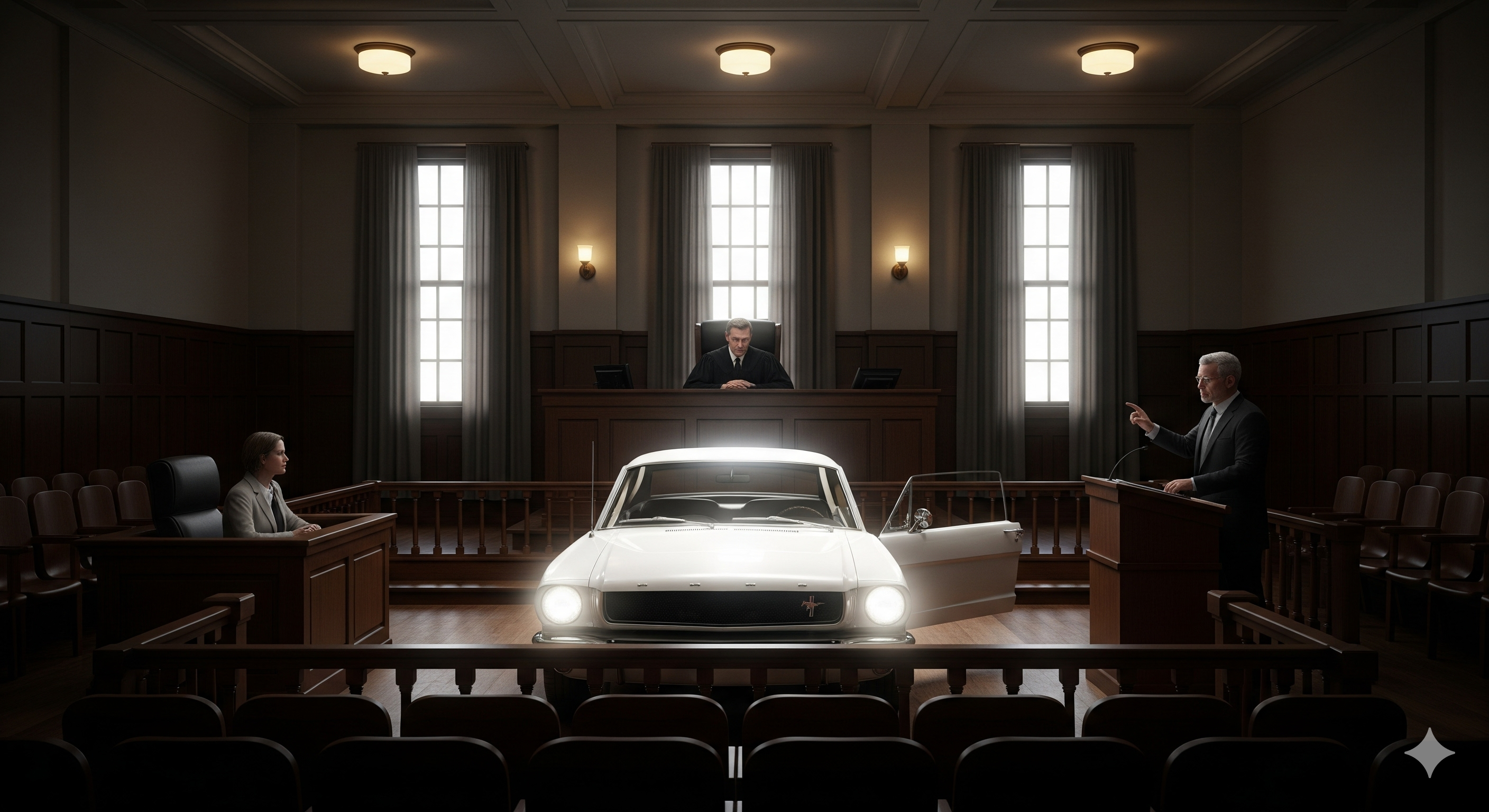
Tesla CEO Elon Musk is facing a class-action lawsuit over the company’s self-driving feature. A federal judge has certified the case, allowing California Tesla owners to sue collectively. These owners purchased the Full Self-Driving (FSD) package between 2016 and 2024. They claim Tesla misled them about the feature’s capabilities.
Tesla promoted the FSD package as a major leap toward autonomy. Musk repeatedly stated that all Tesla vehicles since 2016 had the hardware for self-driving. However, many of those vehicles still lack the required components. Despite this, Tesla continued to sell the package for thousands of dollars.
Customers expected their cars to drive themselves. Instead, the feature remains incomplete and requires constant driver supervision. Some owners tried to get refunds, but Tesla refused. One customer spent years trying to recover US$6,400. Tesla admitted the car lacked the necessary hardware but still denied compensation.
Consequently, frustration among Tesla owners has grown. Many feel deceived and ignored. A Reddit comment calling for a class-action lawsuit has now become a legal action. The lawsuit accuses Tesla of false advertising and failure to deliver promised technology.
Tesla’s marketing approach adds complexity. The company avoids traditional advertising. Instead, it relies on blog posts, social media, and Musk’s public statements. These channels often suggested that self-driving was imminent. Yet, the feature remains unfinished.
Meanwhile, Tesla faces other legal challenges. A Miami jury recently found Tesla partially responsible for a fatal crash involving its Autopilot system. The jury awarded US$243 million in damages. This verdict may encourage more lawsuits related to self-driving technology.
Regulators are also investigating Tesla. California’s DMV is examining whether Tesla misled consumers. The agency may impose penalties, including a temporary sales ban. These developments could damage Tesla’s reputation and affect future sales.
Despite setbacks, Tesla continues to promote its self-driving vision. The company is testing robotaxis in several cities. Musk claims that half of America will have access to autonomous ride-hailing by year’s end. However, critics argue that the technology is not ready.
In response to legal pressure, Tesla has settled some cases through arbitration. One owner received a US$10,000 refund after proving the feature was unusable. Tesla was also ordered to pay US$8,000 in arbitration fees. Still, many customers remain unsatisfied.
The class-action lawsuit consolidates multiple individual cases. This move simplifies legal proceedings and strengthens the plaintiffs’ position. It also highlights the widespread nature of the issue. Thousands of Tesla owners are affected.
The case raises important questions about corporate responsibility. Should companies sell incomplete technology with vague promises? Tesla’s approach blurs the line between innovation and accountability. While pushing boundaries is part of its identity, failing to deliver is a serious concern.
As the lawsuit progresses, Tesla may face increased scrutiny. The outcome could set a precedent for how tech companies market emerging technologies. It may also influence how consumers evaluate claims about self-driving systems.
In conclusion, Elon Musk and Tesla are under legal fire. The class-action lawsuit reflects widespread dissatisfaction. Tesla’s future may depend on how it addresses these concerns. Transparency and trust will be essential moving forward.