AI in Fashion: From Algorithm to Atelier
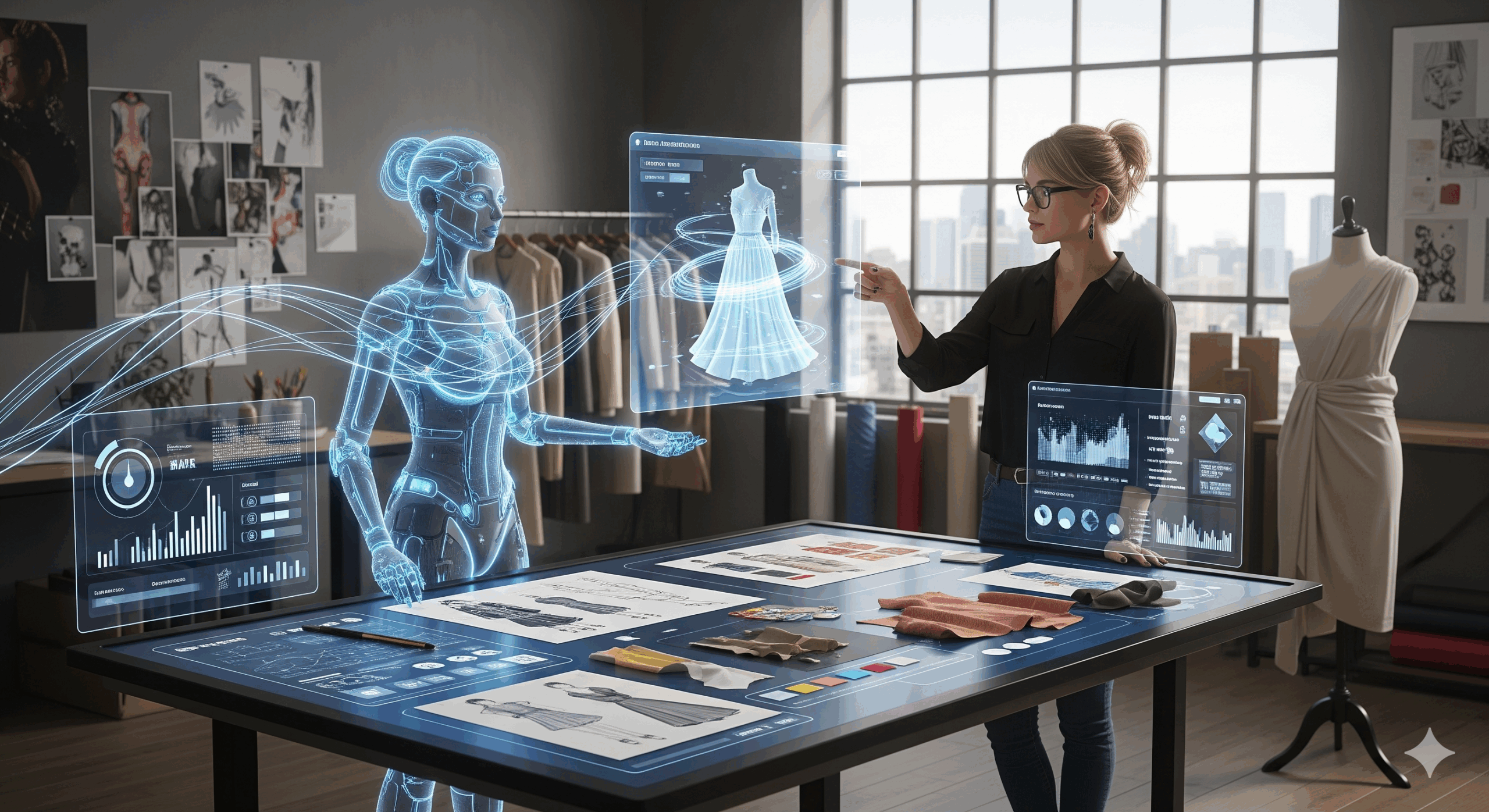
Fashion, for centuries, has been a human endeavor. It thrives on intuition, creativity, and a keen eye for aesthetics. However, a new player has entered the sartorial arena. We’re talking about the AI in fashion styling. This isn’t about robots dictating your wardrobe choices. Instead, it is about sophisticated algorithms assisting designers. These intelligent systems push creative boundaries like never before. Get ready to explore how artificial intelligence is becoming the ultimate design assistant. It is truly revolutionizing the industry.
The Brains Behind the Bodice: How AI Assists Designers
Imagine a design assistant who never sleeps. It can analyze millions of images instantly. This assistant comprehends global trends. Furthermore, it understands historical styles. This is the power of AI in fashion styling. Designers now leverage these tools extensively. They use AI for various stages of creation.
First, AI excels at trend forecasting. It scours social media, runway shows, and street style blogs. It identifies emerging patterns and popular aesthetics. Designers gain invaluable insights quickly. This data-driven approach minimizes guesswork. Therefore, it helps create commercially viable collections.
Moreover, AI assists with material selection. It can analyze properties of fabrics. It recommends materials based on desired drape or texture. Sustainability metrics are also considered. This ensures eco-friendly choices. Furthermore, AI can optimize pattern cutting. It reduces fabric waste significantly. This is a massive win for sustainable practices. Designers save time and resources. They also contribute to a greener planet.
Pushing Creative Boundaries: AI as a Muse
Some might fear that AI in fashion stifles creativity. The opposite is often true. AI acts as a powerful muse. It inspires fresh perspectives. Designers feed AI-specific parameters. They input desired colors, silhouettes, or historical influences. The AI then generates countless unique designs.
These AI-generated concepts are often unexpected. They combine elements in novel ways. This sparks new ideas for human designers. For instance, AI might suggest an unusual fabric pairing. It could recommend a forgotten historical detail. These prompts challenge conventional thinking. They open new avenues for exploration.
Beyond static images, AI can also generate 3D prototypes. Designers visualize garments in motion. They see how fabrics drape virtually. This speeds up the design process. It reduces the need for physical samples. Iteration becomes faster and more efficient. AI, therefore, allows designers to experiment boldly. They test ideas rapidly and effectively. This accelerates innovation in the industry.
From Concept to Catwalk: Real-World Applications
The impact of AI in fashion is already visible. Major brands are adopting these technologies. For example, some companies use AI for generative design. Algorithms create new prints and patterns. These unique designs then grace runways. Other brands utilize AI for personalized recommendations. Customers receive tailored style suggestions. This enhances the shopping experience.
Furthermore, AI helps with customization. Imagine designing your own sneakers. AI can generate countless variations. You choose your preferred colors and materials. The AI ensures aesthetic coherence. This level of personalization was once unthinkable. Now, it is becoming standard practice.
AI also helps designers tap into local trends globally. For instance, a designer might use AI to analyze style preferences in various continents. This helps integrate regional aesthetics into modern designs. The fusion creates globally appealing collections. It respects cultural heritage. At the same time, it embraces innovation. AI, therefore, empowers designers worldwide. It democratizes access to advanced tools.
The Human Touch: Why Designers Remain Essential
Despite AI’s prowess, the human element remains paramount. AI in fashion is a tool, not a replacement. Designers provide the vision. They infuse garments with emotion and narrative. AI lacks intuition and subjective taste. It cannot understand cultural nuances deeply. It struggles with truly groundbreaking artistic expression.
Human designers interpret AI’s suggestions. They refine and perfect them. They add the essential artistic flair. The final collection embodies their unique vision. AI simply amplifies its capabilities. It handles tedious, data-heavy tasks. This frees designers to focus on creativity.
Moreover, the emotional connection with fashion is human. A dress can evoke confidence. A suit can convey power. These subjective experiences are beyond AI’s grasp. The stories behind collections resonate with people. A human designer crafts these narratives. Therefore, the future of fashion is collaborative. It is a powerful partnership between human ingenuity and artificial intelligence. This synergy pushes boundaries further than ever before. It creates a more exciting, innovative, and efficient industry.