Understanding Addison’s Disease: Symptoms, Causes, Diagnosis, and Management
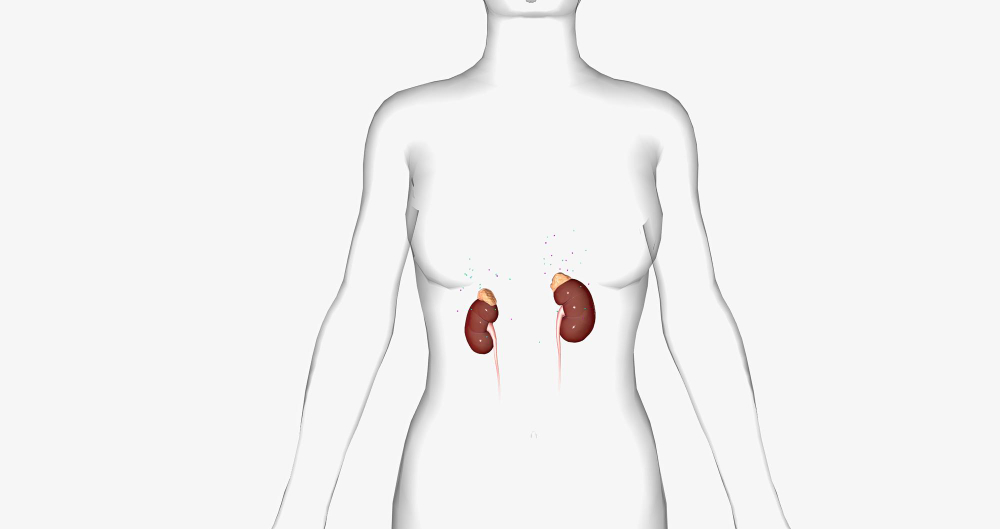
When we think about health conditions that affect hormone production, thyroid disorders and diabetes often come to mind. However, Addison’s disease, though much rarer, is a serious hormonal disorder that can significantly impact a person’s life if left untreated. Also known as primary adrenal insufficiency, Addison’s disease occurs when the adrenal glands do not produce enough of certain essential hormones, most importantly, cortisol and aldosterone.
What is Addison’s Disease?
Addison’s disease is a rare condition that happens when the body doesn’t make enough of some hormones. Another name for Addison’s disease is primary adrenal insufficiency. With Addison’s disease, the adrenal glands make too little of the hormone cortisol. Often, they also make too little of another hormone called aldosterone.
Damage to the adrenal glands causes Addison’s disease. Symptoms can start slowly. Early symptoms may include extreme tiredness, salt cravings, and weight loss.
Addison’s disease can affect anyone. Without treatment, it can be life-threatening. Treatment involves taking lab-made hormones to replace those that are missing.
Symptoms
Addison’s disease symptoms usually happen slowly, often over months. The disease may happen so slowly that people who have it might ignore the symptoms at first. Physical stress, such as an illness or injury, can make symptoms get worse fast.
Early symptoms of Addison’s disease can affect you in various ways. Some early symptoms can cause discomfort or loss of energy, including:
- Extreme tiredness, also called fatigue.
- Dizziness or fainting when standing after sitting or lying down. This is due to a type of low blood pressure called postural hypotension.
- Sweating due to low blood sugar, also called hypoglycemia.
- Upset stomach, diarrhea, or vomiting.
- Pain in the stomach area, also called the abdomen.
- Muscle cramps, weakness, widespread pain, or joint pain.
Causes
Damage to the adrenal glands causes Addison’s disease. These glands sit just above the kidneys. The adrenal glands are part of the system of glands and organs that make hormones, also called the endocrine system. Adrenal glands make hormones that affect almost every organ and tissue in the body.
The adrenal glands are made up of two layers. The inner layer, called the medulla, makes hormones such as adrenaline. Those hormones control the body’s response to stress. The outer layer, called the cortex, makes a group of hormones called corticosteroids. Corticosteroids include:
- Glucocorticoids. These hormones include cortisol, and they affect the body’s ability to turn food into energy. They also play a role in the immune system and help the body respond to stress.
- Mineralocorticoids. These hormones include aldosterone. They balance the body’s sodium and potassium to keep blood pressure in a healthy range.
- Androgens. In all people, the adrenal glands make small amounts of these sex hormones. They cause male sexual development. And they affect muscle mass, body hair, sex drive, and a sense of well-being in all people.
Primary Adrenal Insufficiency and Secondary Adrenal Insufficiency
Primary Adrenal Insufficiency
Addison’s disease is also known as primary adrenal insufficiency. This condition happens when the outer layer of the adrenal glands becomes damaged and can’t make enough hormones. Most often, the damage is due to a disease in which the immune system attacks healthy tissues and organs by mistake. This is called an autoimmune disease. People with Addison’s disease are more likely than other people to have another autoimmune disease as well.
Secondary Adrenal Insufficiency
This type of adrenal insufficiency has many symptoms in common with Addison’s disease. But it’s more common than Addison’s disease. Secondary adrenal insufficiency happens when the pituitary gland near the brain doesn’t prompt the adrenal glands to make cortisol.
Typically, the pituitary gland makes a hormone called adrenocorticotropic hormone (ACTH). ACTH, in turn, causes the outer layer of the adrenal glands to make its hormones, including glucocorticoids and androgens. But with secondary adrenal insufficiency, too little ACTH causes the adrenal glands to make too little of these hormones.
Most symptoms of secondary adrenal insufficiency are like those of Addison’s disease. But people with secondary adrenal insufficiency don’t develop darkened skin. And they’re less likely to have serious dehydration or low blood pressure. They’re more likely to have low blood sugar.
Workup in Addison’s disease
The diagnosis of adrenocortical insufficiency rests on the assessment of the functional capacity of the adrenal cortex to synthesize cortisol. Clinicians primarily use the rapid adrenocorticotrophic hormone (ACTH) stimulation test (Cortrosyn, cosyntropin, or Synacthen) to assess adrenal function.
In an acute adrenal crisis, clinicians should draw a blood sample for a random plasma cortisol level before starting hydrocortisone replacement, without delaying treatment.
Other tests performed in the diagnosis of Addison’s disease include the following:
- Comprehensive metabolic panel
- Complete blood cell (CBC) count
- Thyroid-stimulating hormone (TSH) levels
- Autoantibody testing: Thyroid and/or adrenal autoantibodies may be present
- Prolactin testing: Modest hyperprolactinemia has been reported in cases of Addison’s disease and also in secondary adrenocortical insufficiency
Management of Addison’s Disease
Corticosteroid drugs are used for replacement therapy in Addison’s disease and secondary adrenocortical insufficiency. Hydrocortisone sodium succinate or phosphate is the drug of choice for daily maintenance in these conditions and in the treatment of acute adrenal crisis.
In patients in acute adrenal crisis, intravenous (IV) access should be established urgently, and an infusion of isotonic sodium chloride solution should be begun to restore volume deficit and correct hypotension. Some patients may require glucose supplementation. The precipitating cause should be sought and corrected where possible.
Implantable cell therapy has the potential to restore adrenal function and treat primary adrenal insufficiency.
Adrenal hormone function was restored in animal studies, potentially paving the way for a functional cure for primary adrenal insufficiency in humans, according to research being presented by Aspect Biosystems on Monday at ENDO 2025, the Endocrine Society’s annual meeting in San Francisco, California.
Primary adrenal insufficiency, most commonly due to Addisons disease or congenital adrenal hyperplasia, is a life-threatening condition that typically requires lifelong adrenal hormone replacement.
However, the current hormone replacement therapies have a significant treatment burden and fail to mimic the natural circadian rhythms of hormone secretion.
Conclusion
Addisons disease is a rare but manageable condition with proper diagnosis, treatment, and awareness. Understanding its symptoms and risks is key to preventing life-threatening complications. With consistent care, medication, and preparedness, individuals with Addison’s disease can lead healthy, active lives. Early recognition truly makes all the difference.