Property Tax in the UK Connects to the Inequality Crisis
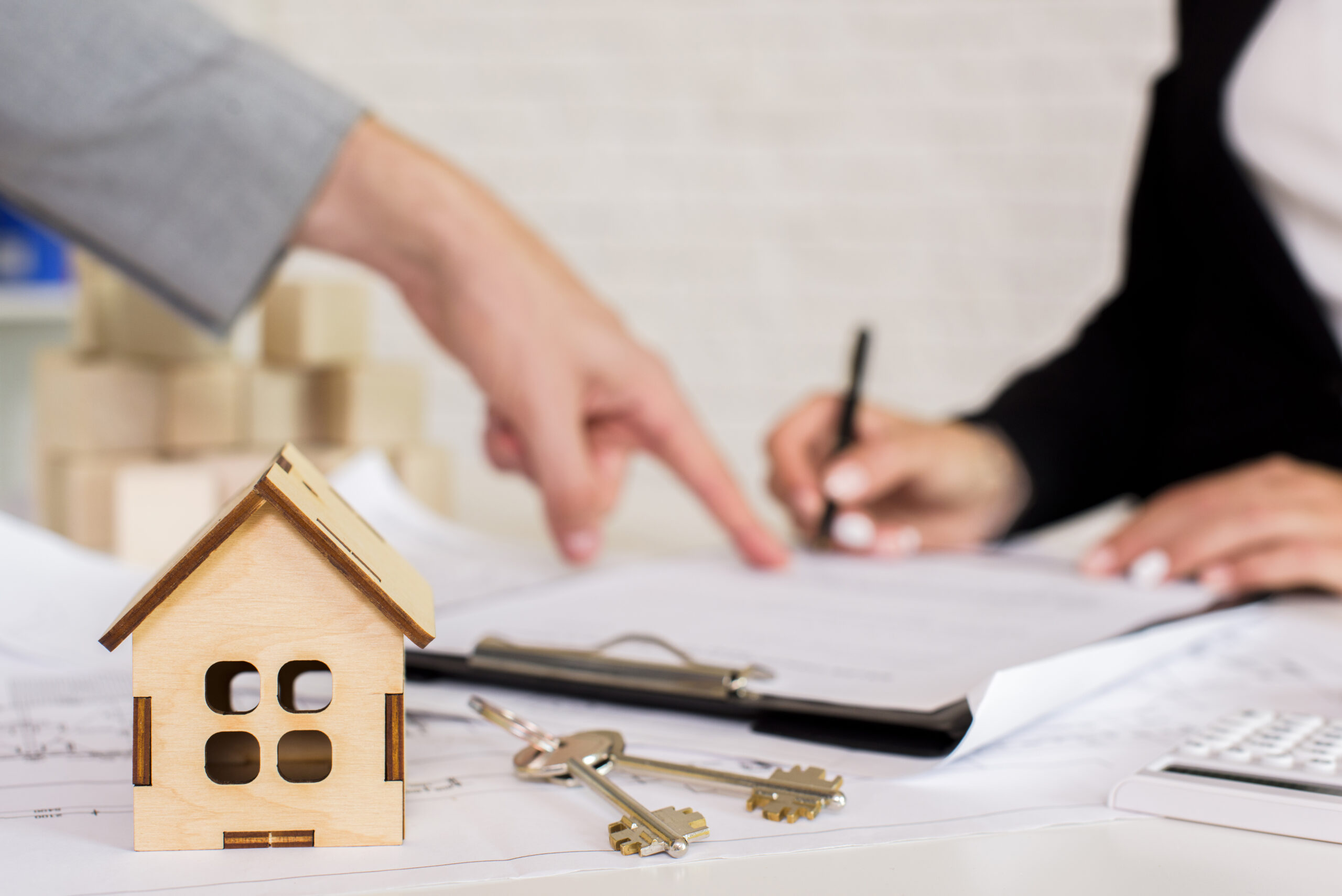
A new Property Tax is being considered. This potential change is causing market uncertainty. Consequently, many people are now delaying home sales. This wait for clarity creates a sluggish market. This is especially true for high-value properties. Their prices are notably sensitive. Home sales are beginning to stall. New listings have also slowed down. As a result, buyers have fewer choices. The proposed change shifts the tax burden. It moves the tax from buyer to seller. Therefore, it may discourage downsizing. Many older homeowners might not sell their homes. This would reduce the availability of family homes. The new Property Tax would affect homes over £500,000. Additionally, a new tax on capital gains is possible. That would impact homes valued over £1.5 million. Ultimately, these measures could lead to a more significant slowdown.
The new Property Tax is a key part of government plans. Its goal is to raise billions of pounds. This represents a significant policy shift. The new Property Tax would replace stamp duty. It would be paid at the time of sale. The amount would depend on the property’s value. This is a progressive approach. It aims to make the housing market fairer. Furthermore, it seeks more reliable revenue. The current system is quite inconsistent. Its revenue fluctuates with market conditions. Therefore, this new Property Tax is seen as a stable alternative.
The proposed Property Tax is already a strong debate topic. Critics suggest it will freeze the market. Homeowners may not want to sell. They would face a new financial burden. This particularly affects homes over £500,000. Experts warn of market inertia. They predict fewer overall transactions. This would impact related industries. These include agents and lenders. On the other hand, supporters say it will free up the market. Buyers, especially first-time buyers, would benefit greatly. They would not pay stamp duty. This makes home buying more affordable.
This housing turmoil arrives alongside new climate data. Researchers highlighted stark economic divides. The UK’s richest may produce 13 times more transport emissions than the poorest. This highlights a growing inequality problem. Conversely, the poorest people are cutting their emissions fastest. The wealthiest have more resources. Nevertheless, their emissions remain very high. This study comes from a research group, the IPPR. It shows a serious issue. Current policy is not working well. It fails to curb emissions for high-polluting groups. In contrast, it puts little responsibility on them. This creates a clear and serious unfairness.
Moreover, the research reveals that affluent groups travel more. In fact, they travel six times further on average. They use private cars frequently. In addition, they fly more often. This pattern adds to a high carbon footprint. The IPPR proposes new policies. They want to reform transport taxes. A carbon tax on flights might be considered. They also want to invest in public transit. This would benefit low-income groups. It would also reduce traffic on our roads. Specifically, a 25% traffic reduction is suggested by 2035. This would cut carbon much faster. These policies put the responsibility on the highest emitters. They have the greatest ability to change. Therefore, it is a fairer approach to climate action.
The report links two major issues. The first is the struggling housing market. The second is an unfair climate burden. One proposal is a new Property Tax. This measure aims to raise billions of pounds. Similarly, a carbon tax on flights may be considered. The government needs to raise revenue. They must also address the emissions gap. Both situations reflect a widening divide. This is an economic and environmental gap. People are watching for new announcements.
Changes to Property Tax may come soon. Furthermore, new climate policies are also needed. Ultimately, these proposals are part of a broader plan. They seek to rebalance the economy. They also aim to address climate change. This Property Tax is a major part of that plan. It is a bold, ambitious measure. Whether it will succeed remains to be seen. Its impact will be significant. The political battle over this new Property Tax is just beginning.