Food Preservation Science: An Ode to Your Pantry’s New BFF
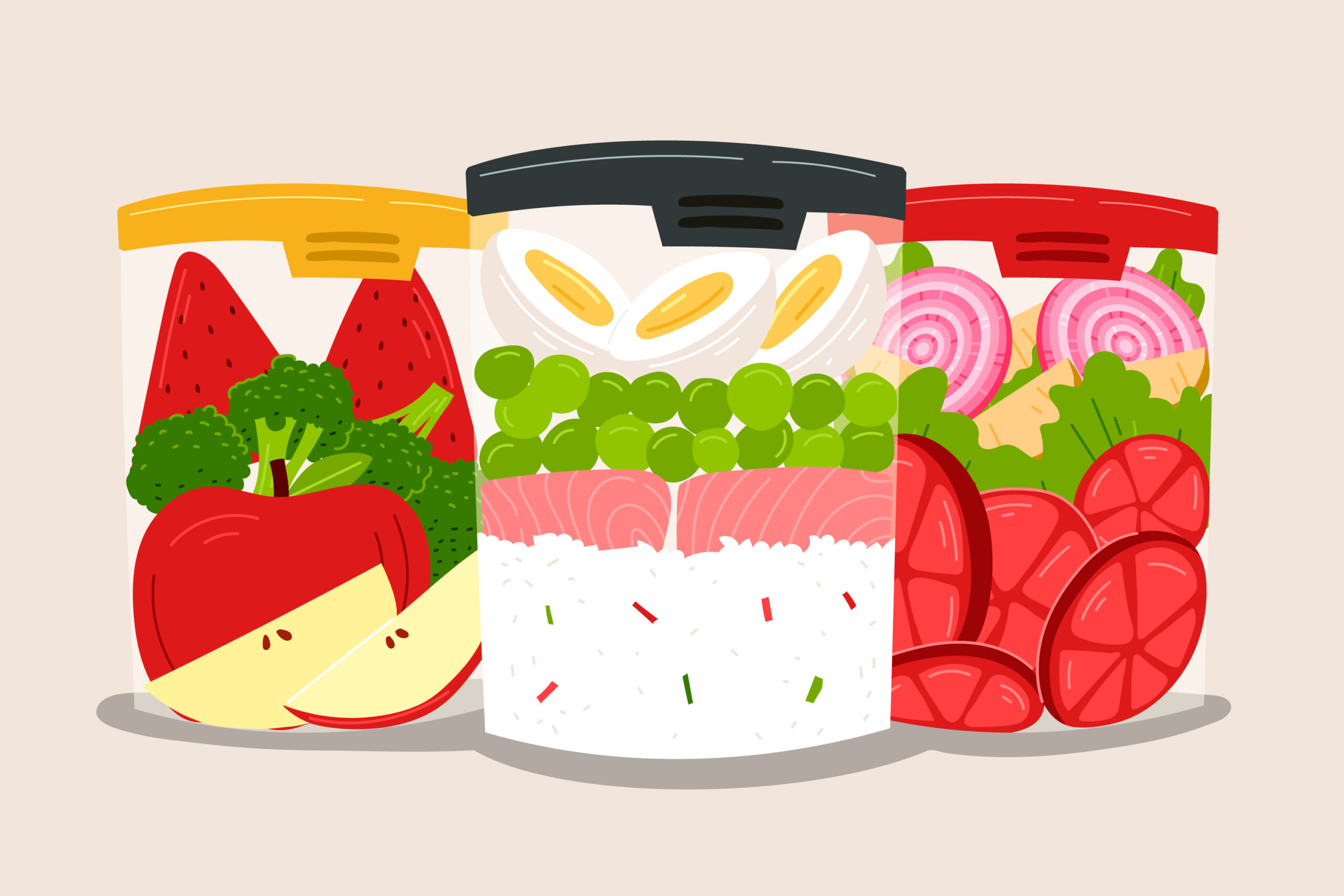
Canning is fantastic, no doubt. It fills our pantries with summer’s bounty. However, a world of incredible food preservation techniques exists far beyond it. Our ancestors mastered clever methods. They kept food safe and delicious for months. These techniques are not just historical curiosities. They offer exciting flavors and benefits. Moreover, they tap into fascinating science. Let’s dive into these often-overlooked methods. We will explore fermentation, curing, and pickling.
Fermentation: The Lively Art of Transformation
Imagine tiny microbes as your kitchen helpers. This is the essence of fermentation. Microorganisms, primarily bacteria and yeast, transform food. They consume sugars. Then they produce acids, gases, or alcohol. This process creates distinct flavors. More importantly, it preserves the food. The acidic environment inhibits spoilage bacteria.
Think of sauerkraut or kimchi. Cabbage ferments in its own salty brine. Lactic acid bacteria do the work. They convert sugars into lactic acid. This gives these dishes their characteristic tang. It also makes them last. Similarly, yogurt forms when bacteria ferment milk’s lactose. Even sourdough bread relies on wild yeast and bacteria.
The science is elegant. Microbes create an environment where bad bacteria cannot thrive. They also break down complex nutrients. This often makes food more digestible. Furthermore, fermented foods are rich in probiotics. These are beneficial for gut health. So, enjoy that tangy pickle. You are also feeding your microbiome! This ancient form of food preservation is a true culinary marvel.
Curing: The Salty Embrace of Longevity
Curing employs salt, often with sugar and nitrates. These ingredients draw moisture from food. Moisture is a primary culprit in spoilage. Bacteria need water to grow. Removing it stops them in their tracks. Salt also inhibits microbial growth directly. It creates an environment too harsh for many pathogens.
Traditional curing methods shine in meat preservation. Picture perfectly cured bacon or prosciutto. Salt, often combined with nitrates, is rubbed onto the meat. Nitrates enhance color and prevent botulism. The meat then dries slowly. This process concentrates flavors. It also makes the product shelf-stable. Fish, too, benefits from curing. Gravlax, for example, is salmon cured with salt, sugar, and dill.
This method requires precision. The right balance of ingredients is crucial. Proper drying conditions are also vital. Too much moisture, and spoilage occurs. Too little, and the product becomes too hard. Curing is a testament to human ingenuity. It transformed perishable goods into lasting provisions. This effective food preservation method brings rich, savory flavors to our tables.
Pickling: The Tangy Power of Acid
Pickling submerges food in an acidic solution. Vinegar is the most common agent. Lactic acid from fermentation can also pickle food. The low pH environment is inhospitable to most spoilage microorganisms. This extends the food’s shelf life considerably. Pickling also imparts a distinct, tangy flavor.
Cucumbers are the classic example. Brined in vinegar, they become crunchy pickles. Onions, carrots, and even eggs can be pickled. The process is relatively straightforward. Prepare your vegetables. Make a vinegar-based brine. Add spices for extra flavor. Then simply immerse the food.
Acidity is key here. A pH below 4.6 stops most harmful bacteria. Therefore, the vinegar solution must be strong enough. Some pickling involves a quick blanch. This softens vegetables slightly. It also ensures better brine penetration. Pickling is a vibrant and versatile form of food preservation. It adds zest to many dishes.
Beyond the Basics: Other Clever Techniques
Many other methods also contribute to food preservation. For instance, drying removes almost all moisture; sun-dried tomatoes and jerky are perfect examples. In addition, smoking not only adds flavor but also offers preservative qualities. Specifically, the compounds in smoke are antimicrobial, think of smoked salmon or cheese.
Another traditional technique is root cellaring, which uses cool, dark, and humid conditions. As a result, certain vegetables and fruits can remain fresh for months. For example, onions, potatoes, and apples store well this way.
Furthermore, confit involves cooking food slowly in fat. Subsequently, the fat acts as a protective seal, shielding the food from air and bacteria. Duck confit, for instance, is a renowned example. Altogether, these diverse methods highlight human adaptability; more importantly, they demonstrate our continuous quest for delicious, safe food.
The Science on Your Plate
Understanding these methods empowers you; in fact, it allows you to experiment in your own kitchen, create unique flavors, and also gain a deeper appreciation for your food. For example, fermentation offers gut-healthy benefits. Similarly, curing provides savory delights, while pickling adds a delightful tang.
These techniques are more than just ways to extend shelf life. On the contrary, they are time-honored culinary traditions. In addition, they reflect cultural heritage and, importantly, are grounded in solid scientific principles. You might begin to imagine its potential for transformation. Ultimately, by embracing the art and science of food preservation, you can enjoy both the process and the delicious results.