Food Price Inflation: UK Grocery Prices Climb at Fastest Rate
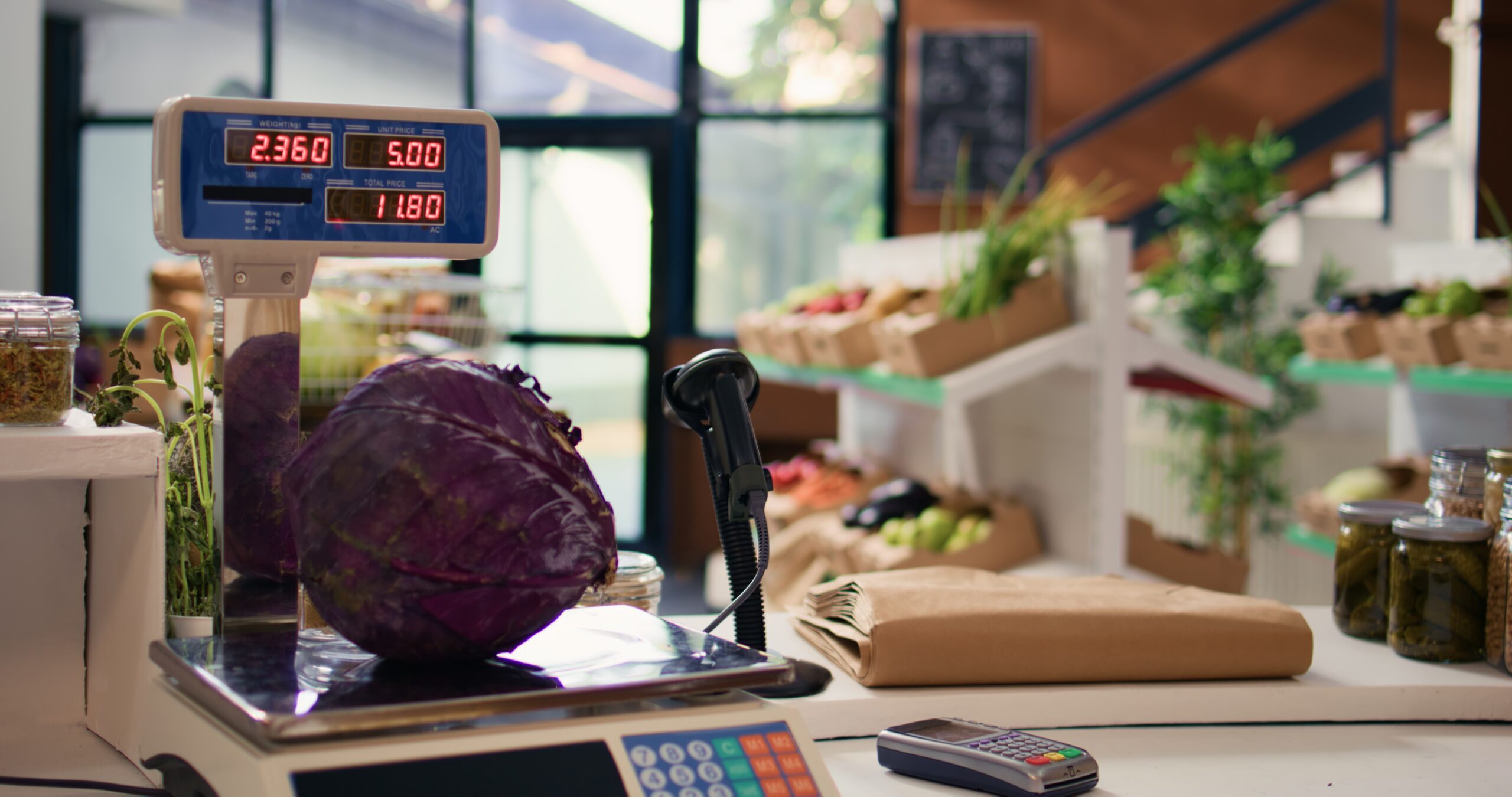
Food Price Inflation in the UK has surged to 4.2% year-on-year in August, marking its highest point in 17 months. The increase is primarily driven by rising costs in everyday essentials such as eggs, butter, and chocolate. These staples have become notably more expensive, putting pressure on families across the country.
Rising Food Price Inflation is affecting how households shop. More people now buy in smaller quantities, plan their meals more tightly, and shift to store-brand products. While discount supermarkets have seen a boost in foot traffic, even their shelves reflect higher prices. Consequently, many consumers struggle to stay within their weekly budgets.
A mix of factors drove this price surge. Higher feed costs, bird flu outbreaks, and logistical challenges raised egg prices. Reduced dairy production and increased processing costs, on the other hand, have impacted butter. Poor harvests and climate issues in West Africa, a key supplier, are largely to blame for soaring global cocoa prices, which push up the price.
Retailers across the UK recognize the growing burden of food price inflation. While many introduced price caps on key items earlier this year, most say they cannot sustain such measures indefinitely. Mounting operational costs, including energy, packaging, and transportation, affect them. Additionally, wage pressures following minimum wage hikes have also affected their pricing structures.
Economists now warn that Food Price Inflation could threaten broader inflation control. While the Bank of England has made progress in curbing headline inflation, rising food costs could stall further improvement. If consumers expect prices to continue rising, spending habits may change in ways that drive further inflation. Therefore, policymakers are watching food markets with increased caution.
Although global energy prices have somewhat stabilized, food production remains vulnerable to shocks. Climate variability, labor shortages, and supply disruptions all contribute to rising costs. Furthermore, the global demand for staple commodities continues to grow. These conditions make it difficult to predict when Food Price Inflation might ease.
The UK government continues to support low-income households, with programs like cost-of-living payments and energy subsidies remaining in place. However, campaigners argue for more direct food assistance, noting that families living paycheck-to-paycheck feel the weight of food price inflation most acutely.
Shoppers are clearly changing their behavior, turning to discount chains more frequently, seeking bulk-buy savings, and avoiding premium products. Additionally, the popularity of loyalty programs and cashback offers has grown. These strategies reflect a growing desperation to manage weekly grocery bills effectively.
At the same time, some households are cutting back on nutritious foods. They increasingly see items like fresh fruit, meat, and dairy as luxuries, raising concerns about long-term health impacts. Experts fear that food price inflation could contribute to worsening public health outcomes over time.
Retailers are attempting to balance competitiveness with profitability. Some have launched “price lock” campaigns, while others highlight value ranges and meal deals. Despite these efforts, maintaining margins while prices rise is a difficult equation, and many in the industry predict continued price volatility.
Farmers and producers are also squeezed, as they face increased costs for fertilizer, fuel, and labor. Those unable to recoup costs through pricing may reduce output, compounding supply issues. In turn, this creates a feedback loop that sustains high food price inflation.
Food price inflation in the UK shows no signs of abating quickly. While temporary discounts and support programs offer short-term relief, deeper solutions are needed. Structural reforms in agriculture, food distribution, and consumer support systems may be essential. Until then, households must continue adapting to higher monthly grocery costs.