Bread We Keep Falling For: Loaf at First Sight
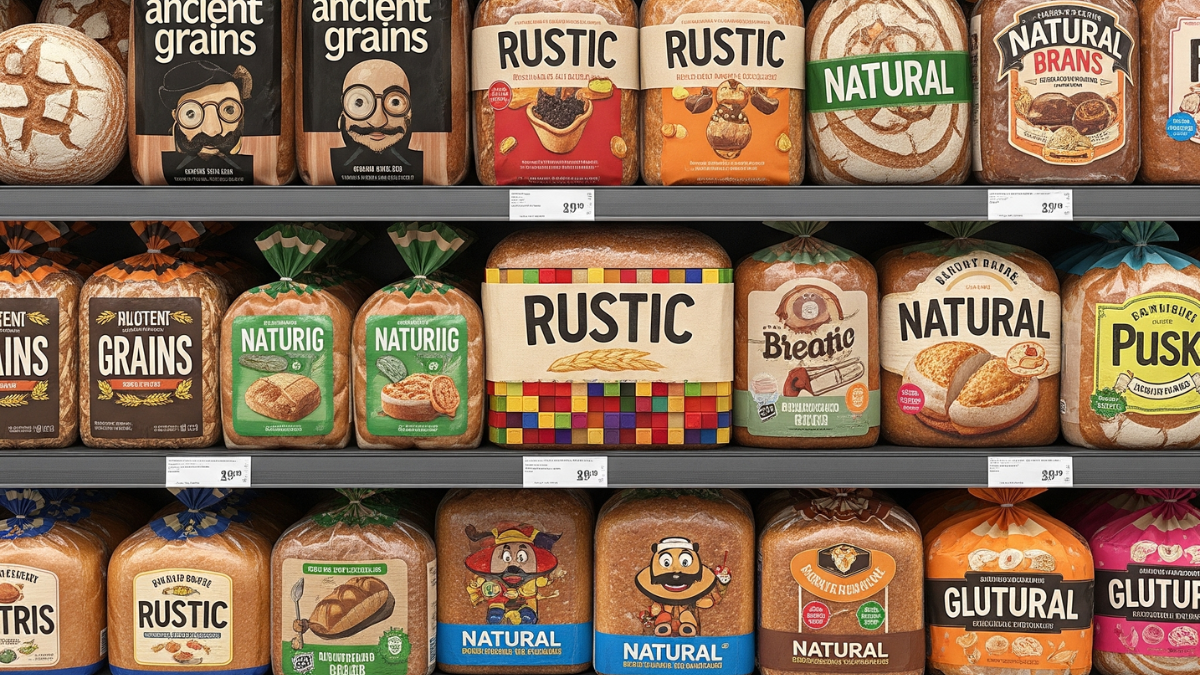
Ah, bread. The language of love, everybody understands. Whether you’re smearing it with avocado to impress your Instagram followers or tearing it open at a dinner party to mark territory on a sourdough boule, one thing is certain: you’re not so much buying bread, you’re buying a picture of yourself.
And that, lovely carb lover, is no accident.
Welcome to the bread marketing universe, where new loaves are joined by new cons. Let’s lay bare the branding secrets that make you feel like a genuine country baker, or a health god, though your cooking skills may be warming bagged pizza in the microwave.
The Grandma Gambit: “Just Like Nana Used to Bake!”
If your bread packaging features a smiling woman who looks like she knits her clothes and talks to squirrels, congratulations, you’ve been grandmaed.
This is one of the oldest stunts in the (bread) book: nostalgia. It doesn’t make a difference that your “Olde Country Farmhouse Loaf” was robot-mixed, robot-baked, and robot-bagged in a football-field-wide factory, put a lace doily on it, and call it “Mabel’s Hearth,” and suddenly you’re eating a slice of family heritage.
It’s marketing gold. We desire authenticity, but we settle for the appearance of it. And nothing is more “authentic” than the mythic matriarch who never did exist but continues in each warm, powdered bite.
The Ancient Grain Gift– Bread
You noticed the words, “Now featuring ancient grains!” They emblazon packaging as a halo of nutrition.
But seriously, what are ancient grains, anyway? Are they enlightened Wheat Bits? Did they spend time in a monastery thinking before someone milled them into oblivion? Not exactly.
Amaranth, spelt, quinoa, and teff are ancient, lightly modified grains. That’s cool. But modern bread marketers add them as extras, like the edible version of a quinoa purse. They make the bread sound exotic, healthy, and so Instagrammable.
Here’s the kicker: the majority of so-called “ancient grain” breads contain 90% good ol’ white flour. Manufacturers add a token amount of teff, just enough to qualify technically and flex the label. It’s less a “grain revolution” and more a “garnish.”
Rustic is a Vibe, Not a Recipe
You know the type: rustic flour coating, crooked shape, packaging that looks like a wood elf hand-folded it. These breads are like, “I was wood-fired in a Tuscan village.” Spoiler alert: they weren’t.
“Barnyard” bread marketing is a category of aesthetics vs. content. Brands use kraft paper packaging, “signature” labels (printed, of course), and gritty-around-the-edges crusts to bring on that whole artisanal bakery feel. The point is simple: persuade you that this bread had a better life than you. And you’ll have the privilege of paying $6.99 to eat its authenticity.
The Wellness Wash: Gluten-Free? Vegan? Ethically-Raised Dough? Or Just Bread
Modern bread advertising knows what you’ve clicked on. If you’ve typed in “gut health” or “how to not bloat but not give up carbs,” you’re their customer base. Welcome the flood of wellness, when marketing lingo outpaces actual benefits. Did you ever wonder about “gluten-free” plastered on a loaf that never contained wheat in the first place? That’s the trick. Or “vegan bread” proudly proclaimed. When 98% of bread is vegan, as it is.
It’s like labeling a cucumber “whole fat-free.” True? Technically. But also: duh.
Guilt-trip branding speaks to our shame-induced spending binges. You’re not just making a bread purchase, you’re making a better choice. Even if said better choice is still constituted of flour, salt, and enough carbs to sustain a village.
The Transparent Loaf Trap
A clear window on the package. Just enough to glimpse the crusty, golden goodness within.
Is it transparency? A peek into your bread’s soul?
Not quite. It’s a marketing strategy. Studies show that products with visible food ingredients build more trust and reduce hunger cravings. You are made to feel close to the source by the loaf’s visibility, although that source is a machine named BREAD-BOT9000.
The next time you stare lovingly into that plastic window, remember: it’s not intimacy. It’s marketing foreplay.
Slice of Letdown: You’re Buying a Brand Narrative, Not Bread
Look, bread isn’t just food; it’s a lifestyle statement. In fact, it’s identity. What’s more, it’s an accessory to a lifestyle that just so happens to have a crunchy crust.
Similarly, some of the news is truly amazing. For instance, bakers are making genuine, real, authentic bread using stone-ground flour and fermentation methods your grandparents would recognize. However, don’t seek them out by the shrink-wrapped, molasses-colored “Whole Health Honey Oat Ancient Grain™” in Aisle 3.
So, the next time you grab that sumptuously packaged, “heritage-style” loaf that promises to transform your sandwich life, take a pause and ask yourself: Is this bread? Or is a very highly branded fantasy being sold?
Either way, treat yourself. After all, you always knew the bun was the intention.