The Future of Veterinary Healthcare: A Sector on the Brink of a Technological Renaissance
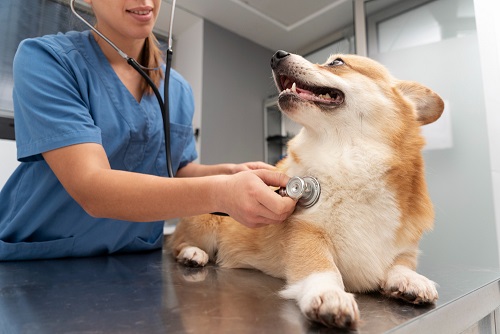
The global Veterinary Healthcare industry is entering a decisive decade. Exponential growth, rapid digitalization, and rising standards of animal care define the global Veterinary Healthcare industry. In 2024, analysts valued the market at $93.49 billion. By 2031, they expect it to reach $156.53 billion, with a compound annual growth rate (CAGR) of 7.7%.
Market momentum alone does not drive this remarkable growth. Instead, it reflects profound societal, technological, and health-related shifts that are redefining how we care for animals. As innovation increasingly merges with veterinary science, the industry is shifting from reactive treatment to proactive, precision-driven care models.
Companion Animals Redefining the Industry Paradigm
One major driver of this expansion is the sharp rise in pet ownership, particularly among urban dwellers and younger generations. Today’s pet owners are investing more—both emotionally and financially—in their pets’ health and happiness.
Consequently, the growing culture of “pet humanization” is reshaping Veterinary Healthcare. More pet owners now expect holistic, medical-grade care rather than basic sustenance. Therefore, services like diagnostics, vaccinations, dental care, and preventive medicine have become routine elements of modern Veterinary Healthcare.
To meet this evolving demand, veterinary clinics are transforming their offerings. They now focus on personalized, high-quality, and transparent services that align with modern pet parent expectations.
Digital Disruption and the Smart Clinic Revolution
As economic, cultural, and technological factors continue to converge, Veterinary Healthcare is undergoing a digital transformation. This shift is poised to accelerate from 2025 onward.
Technology will balance supply and demand: Veterinary clinics face a widening gap between client demand and workforce availability. Although demand for pet healthcare is at an all-time high, many clinics are understaffed. IDEXX projects that productivity must increase by 40% by 2030. To meet this challenge, clinics are adopting telemedicine, at-home diagnostics, and integrated AI systems to streamline care delivery.
AI will drive better outcomes and longevity: AI tools now handle many repetitive tasks, such as client communication and summarizing medical records. More importantly, AI enables earlier and more accurate diagnoses. This allows clinics to perform advanced diagnostics in-house, reducing their reliance on external labs and enhancing patient outcomes.
Insurance may soon become the norm: According to the Bureau of Labor Statistics, veterinary costs rose nearly 11% between July 2022 and July 2023. That increase is nearly three times the current inflation rate of 3%. As labor shortages continue to strain the system, prices are expected to keep rising. Therefore, pet insurance is becoming a crucial tool to ensure access to affordable and consistent care.
The Strategic Imperative: Making Veterinary Healthcare a Public Health Priority
In the post-pandemic era, Veterinary Healthcare has gained new significance. Animals are no longer viewed merely as pets or livestock. Instead, they are recognized as vital components of our environmental, economic, and public health systems.
Accordingly, veterinary professionals must evolve beyond their traditional roles. They are now becoming key partners in public health policy. By embracing data analytics, interdisciplinary education, and sustainable practices, the sector can guide its growth responsibly while addressing global health challenges.
Three Trends Transforming Veterinary Healthcare
The Veterinary Healthcare sector is undergoing fundamental shifts. Notably, three key trends are shaping its future:
- A growing focus on preventive care
- Broader adoption of digital tools
- Stronger relationships between veterinary teams and pet owners
As these trends continue to evolve, clinics must adapt to meet changing expectations. By doing so, they can deliver more personalized, trusted, and effective care.
Latest News
On February 15, 2025, the Department of Animal Husbandry & Dairying (DAHD), in collaboration with the World Organisation for Animal Health (WOAH), concluded a pivotal workshop in New Delhi. The WOAH PVS-PPP workshop (held February 11–13) focused on strengthening veterinary services through public-private partnerships. Key initiatives included vaccine platform development, veterinary workforce expansion, infrastructure improvement, and the establishment of Foot-and-Mouth Disease (FMD)-Free Zones.
Similarly, on January 18, 2025, the World Veterinary Association (WVA) and the animal welfare charity Brooke signed an agreement to enhance global access to essential veterinary medicines. The new list features over 300 medicines and vaccines essential for animals such as cows, pigs, poultry, and horses. This initiative also plays a crucial role in fighting antimicrobial resistance and promoting global food safety and disease prevention.
Looking Forward: Creating a Smarter, Healthier World for Animals
Ultimately, the rise of Veterinary Healthcare signifies a deeper cultural shift. Societies now place greater value on the lives and well-being of animals. Pet owners are demanding higher standards of care, and governments are increasingly recognizing animal wellness as integral to public health.
This is a critical time for industry leaders, entrepreneurs, and innovators to understand the changing dynamics of Veterinary Healthcare. Those who invest in advanced technologies, ethical leadership, and scalable models will shape the future. By acting decisively, we can create a smarter, more humane world for animals everywhere.