Meta’s Data Center Gets Boost from Entergy’s Grid Plan
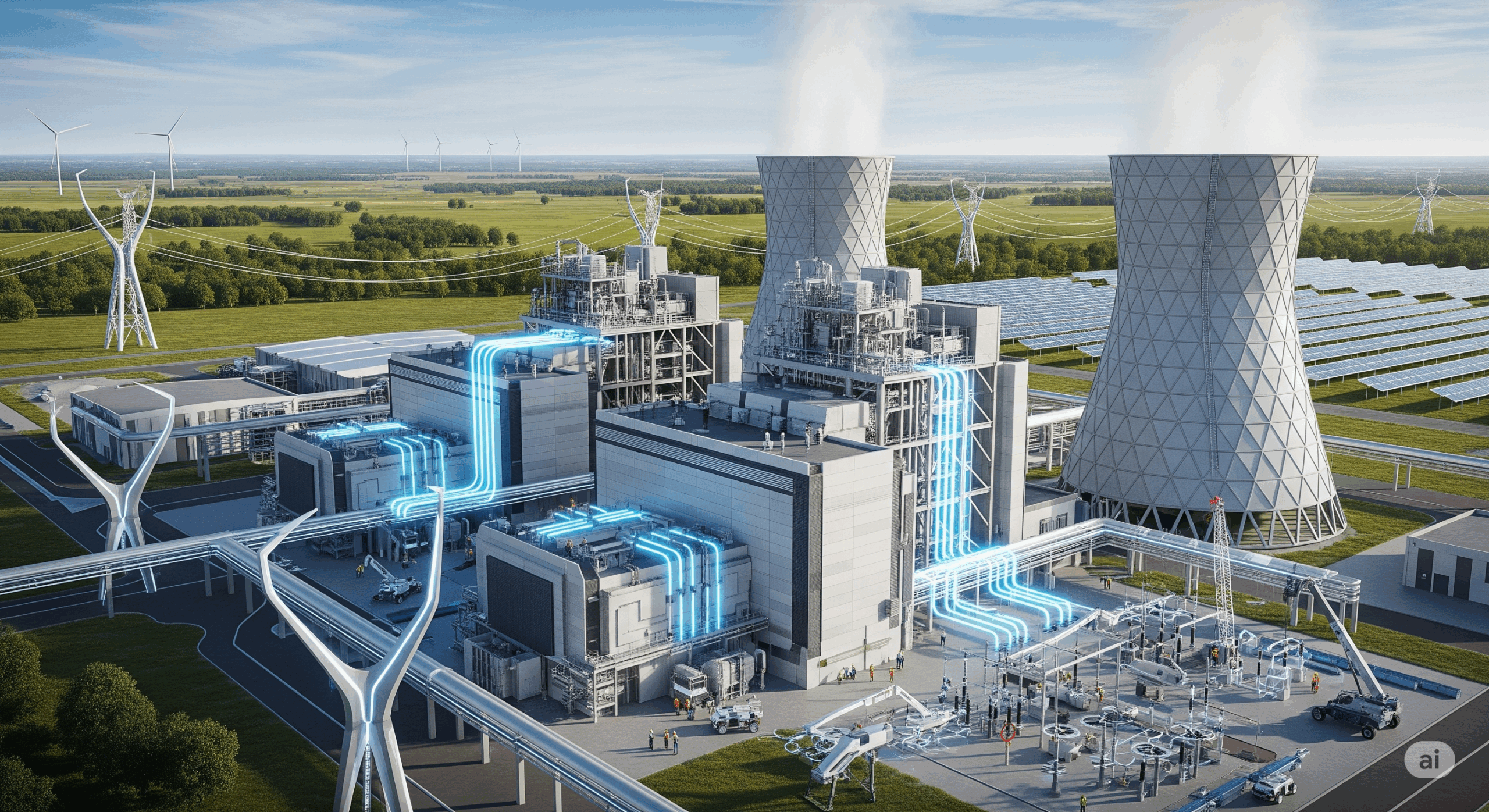
New Delhi, India — August 21, 2025— Entergy Louisiana secured regulatory approval to construct major energy infrastructure to support Meta’s upcoming $10 billion data center, which will be located in Richland Parish. The Louisiana Public Service Commission (LPSC) voted in favor of the utility’s plan, thereby allowing it to move forward with a wide-ranging strategy. This strategy includes building power generation plants, extending transmission lines, and integrating solar capacity.
Meta plans its facility to be the company’s largest data center globally. Moreover, the massive build drives a surge in energy needs brought on by Meta’s expanding artificial intelligence services and global platform operations. Once complete, the Richland Parish center will serve as a key digital hub supporting Meta’s entire ecosystem.
To meet the enormous power demand, Entergy will construct three natural gas-fueled power plants using combined-cycle combustion turbine (CCCT) technology. This technology offers improved efficiency and lower emissions than traditional plants. Specifically, two of the plants will be located near the data center in Richland Parish. Entergy targets their completion for 2028. In addition, the company will build the third plant at its existing Waterford site in St. Charles Parish. It expects to begin operations in late 2029.
In addition to generation facilities, Entergy will roll out a network of new transmission infrastructure designed to reliably deliver electricity to Meta’s campus and nearby areas. This expansion aims to bolster grid resilience and, furthermore, improve service to other commercial and residential customers in Louisiana as well.
A key feature of the LPSC’s approval includes a green energy component. It gives Entergy fast-track authority to secure up to 1,500 megawatts of solar energy. This provision supports Meta’s stated goal of running all of its data centers on 100% renewable energy. Consequently, it reflects a shared commitment to environmental sustainability between the utility and the tech giant.
The announcement is expected to have a significant economic impact on the region. During construction, thousands of jobs will be created. In addition, local businesses are likely to benefit from increased demand for goods, services, and infrastructure development. Once operational, the data center will provide hundreds of long-term jobs and ongoing economic contributions.
While the project has drawn enthusiasm from state leaders and business groups, consumer advocates and environmental groups have also scrutinized it. Specifically, critics have voiced concerns about the long-term costs of gas-fired power plants. These concerns focus particularly on if Meta’s energy needs change in the future. However, Entergy assured regulators that Meta will bear the financial responsibility for infrastructure developed specifically for its use. Therefore, this arrangement helps protect other customers from rate increases.
According to a Reuters report, the rapid expansion of artificial intelligence is reshaping the power sector nationwide. Data centers now consume more electricity than ever before. Moreover, industry estimates project their demand to triple by 2030. Companies like Meta seek reliable and scalable energy solutions. Accordingly, utilities race to keep up with the pace of digital transformation.
Entergy views this partnership as part of a broader shift toward modernizing the electric grid and serving the energy needs of tomorrow’s economy. “We’re committed to delivering safe, affordable, and sustainable power for all customers,” said an Entergy spokesperson. “This project reflects our ability to evolve with the industry and support innovation.”
With regulatory approvals in place, Entergy expects to begin construction shortly. Entergy and Meta will coordinate closely with state officials and environmental agencies to ensure compliance with all standards and timelines.
This high-profile collaboration may well serve as a blueprint for future partnerships between energy providers and tech companies—balancing economic development with climate responsibility. As artificial intelligence continues to shape industries and infrastructure, the Richland Parish data center likely marks just the beginning.