FDA Grants Accelerated Approval to Avutometinib–Defactinib Combo for KRAS-Mutant Ovarian Cancer
Pune, India | August 21, 2025
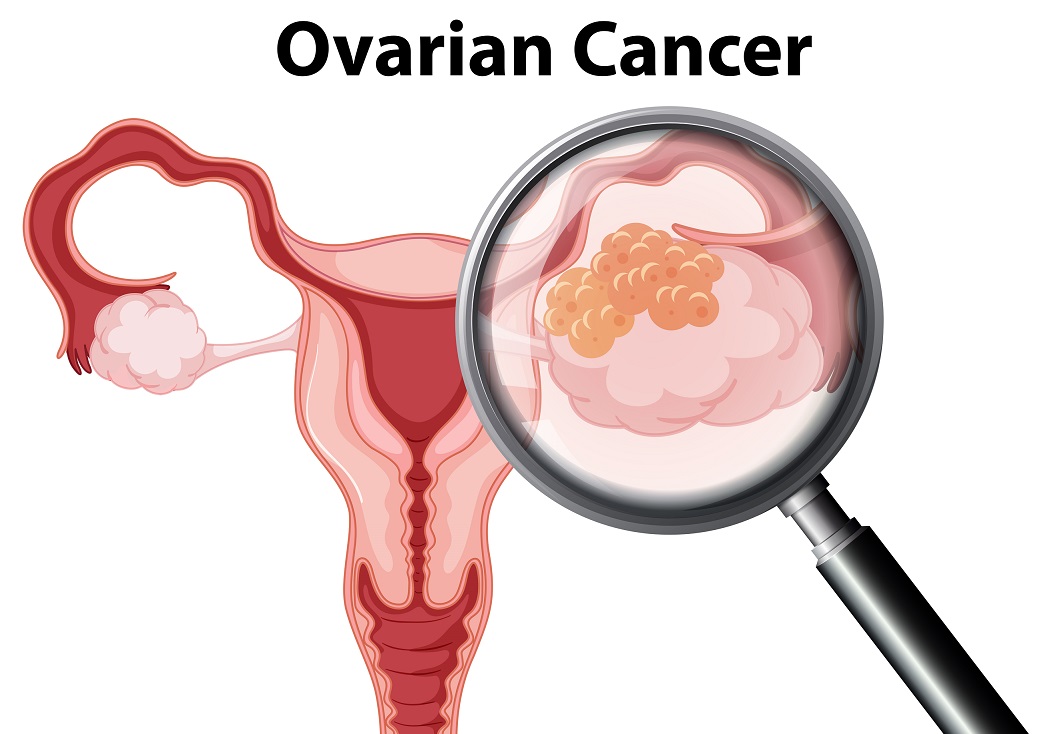
The U.S. Food and Drug Administration (FDA) has granted accelerated approval for a new targeted treatment that combines avutometinib and defactinib. This combination, marketed as Avmapki Fakzynja Co-Pack, is intended for adults with recurrent, KRAS-mutant low-grade serous ovarian cancer who have already received systemic therapy.
This decision reflects a growing emphasis on precision oncology—a medical approach that targets specific genetic changes within cancer cells. In this case, the combination focuses on the KRAS mutation, offering a more personalized therapy for a patient group that currently lacks effective options.
The approval is based on data from the RAMP-201 clinical trial. This trial enrolled 57 patients with measurable disease. Participants took avutometinib twice a week and defactinib twice daily, following a three-week-on, one-week-off schedule. Results showed an overall response rate (ORR) of 44%. Several patients maintained their responses for over 31 months, indicating encouraging durability.
KRAS-mutant low-grade serous ovarian cancer is a rare condition with limited treatment options. Due to this unmet need, the FDA utilized its Real-Time Oncology Review (RTOR) and Assessment Aid programs to speed up the review. The treatment also received multiple designations, including breakthrough therapy, orphan drug, and priority review, reflecting its potential to address a critical gap in care.
Despite promising results, the treatment does carry risks. Reported side effects include nausea, fatigue, skin rash, visual disturbances, and elevated levels of liver enzymes and creatine phosphokinase. To mitigate these risks, healthcare providers should monitor patients closely and offer guidance on managing side effects.
As part of the accelerated approval, Verastem—the drug’s manufacturer—must conduct a Phase 3 trial, RAMP-301, by June 2028. This study will compare the combination therapy to physician-selected alternatives. Key goals include measuring progression-free survival and overall survival, as well as validating KRAS mutation testing through centralized diagnostics.
This regulatory pathway illustrates the FDA’s strategy: providing faster access to promising therapies while ensuring that long-term data support their safety and effectiveness. Companies receiving accelerated approval must complete follow-up studies to maintain their product’s status.
The approval of Avmapki Fakzynja signifies more than just a new drug on the market. It represents progress in treating rare, genetically defined cancers. For patients with KRAS-mutant ovarian cancer, it offers a new opportunity for disease control and improved quality of life.
As RAMP-301 moves forward, researchers and oncologists will closely monitor outcomes. If confirmed, the results could elevate this therapy to a standard treatment for this difficult-to-treat cancer type. Until then, clinicians are urged to report adverse events through the FDA’s MedWatch program, ensuring ongoing evaluation of patient safety.
This milestone underscores the FDA’s commitment to advancing precision medicine. By approving therapies tailored to genetic profiles, the agency continues to promote innovation—delivering hope to patients while upholding strict scientific and regulatory standards.