FDA approves cabozantinib for adults and pediatric patients 12 years of age and older with pNET and epNET
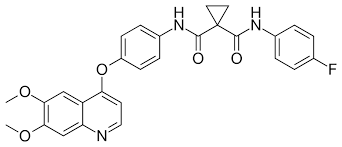
On March 26, 2025, the Food and Drug Administration approved cabozantinib (Cabometyx, Exelixis, Inc.) for adult and pediatric patients 12 years of age and older with previously treated, unresectable, locally advanced or metastatic, well-differentiated pancreatic neuroendocrine tumors (pNET) and well-differentiated extra-pancreatic neuroendocrine tumors (epNET). This was a notable development in the continued expansion of treatment options for patients with advanced neuroendocrine tumors, particularly for age groups younger than 12 years, as well as for patients who have had exhausting treatment options.
About Cabozantinib
Cabozantinib is a small-molecule tyrosine kinase inhibitor that targets vascular endothelial growth factor (VEGF) receptor 2, MET, and rearranged during transfection (RET), as well as KIT, AXL, and FLT3. All of these pathways are important for tumor growth, angiogenesis, survival, and metastasis in multiple tumor types.
Approval Based on Results from the CABINET Trial
Efficacy of cabozantinib for patients with NETs was evaluated in CABINET (NCT03375320), a double-blind, placebo-controlled, multicenter trial with two separate, randomized cohorts (pNET and epNET) of 298 patients with unresectable, locally advanced, or metastatic pNET that had progressed on prior therapy. Patients treated with cabozantinib demonstrated a statistically significant improvement in progression-free survival (PFS) compared to those receiving a placebo.
- The pNET cohort included 99 patients randomized (2:1) to receive cabozantinib 60 mg orally once daily or placebo until disease progression or unacceptable toxicity. Median PFS was 13.8 months in the cabozantinib arm and 3.3 months in the placebo arm (Hazard Ratio [HR] 0.22 [95% CI: 0.12, 0.41]; p-value <0.0001).
- The epNET cohort included 199 patients randomized (2:1) to receive the above regimen of cabozantinib or placebo until disease progression or unacceptable toxicity. Median PFS was 8.5 months in the cabozantinib arm and 4.2 months in the placebo arm (HR 0.40 [95% CI: 0.26, 0.61]; p-value <0.0001).
Cabozantinib Dosing and Administration
The recommended cabozantinib dose for adult and pediatric patients 12 years and older with a bodyweight ≥ 40 kg is 60 mg orally once daily until disease progression or unacceptable toxicity. The recommended dose for pediatric patients 12 years and older with a bodyweight less than 40 kg is 40 mg orally once daily until disease progression or unacceptable toxicity.
Conclusion
The FDA’s approval of Cabometyx for advanced pancreatic and extra-pancreatic neuroendocrine tumors brings new hope to both adult and pediatric patients with limited treatment options. With strong clinical data supporting this milestone, this approval means access to a targeted therapy that has been shown to meaningfully delay progression of the disease.