Historic Flooding at KRS Dam: Highest June Water in Over 80 Years
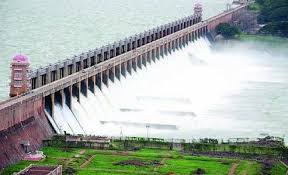
The Krishna Raja Sagar (KRS) reservoir is nearing a historic milestone, with the water level rising to 120.2 feet, only 4.6 feet below its full capacity of 124.8 feet. Officially expect the dam to reach its full capacity by the end of June, a rare occurrence for this time of the year. As monsoon rains continue, KRS may not just set a record for early filling, but also offer hope for robust water availability in the months ahead for drinking and agriculture needs across the region.
This unprecedented rise has been caused by the average level of showers in the catchment areas of the Cauvery River, where the river is above normal inflow levels. As of now, KRS has about 42.3 TMC (thousand million cubic feet) of storage against a capacity of 49.4 TMC. Inflow at present is 13,856 cusecs and outflow of 1,965 cusecs, which is keeping pace with the inflow.
KRS (Kirshna Raja Sagara dam) is located at the confluence of three rivers, namely the Cauvery, the Hemavathi, and the Lakshmana Thirtha, and has impounded river water as far and wide as Mysuru and Bengaluru for drinking water purposes while irrigating Mandya and Mysuru districts.
Why this early spike is relevant
Rare occurrence: The last time the KRS was above 120 feet in June was on June 21, 1941, when it had the dam recorded at a level of 121 feet
Riparian exemption: KRS only receives inflow supplies when the upstream dams, the Hemavathi and Harangi Dam, have reached capacity. The current surge reflects heavy, sustained rainfall across this network of reservoirs.
Water security boost: With the reservoir nearly full, hopes are high for sustaining drinking water and irrigation through the summer and early monsoon months.
Alert Level Reached
CNNL officials have issued flood alerts, emphasizing that once levels breach 120 feet, regulated releases begin. The reservoir’s 13,856 cusec inflow rate is expected to ease, but authorities will continue to closely monitor both inflow and outflow to ensure downstream safety.
What Lies Ahead
With just 4.6 feet remaining to the brim, KRS may attain full capacity by the end of June, if current trends persist. A carefully calibrated release strategy will be essential, not only to avert flooding but to maximize water availability for farming and urban supply. It will become the crucial source for drinking water for Mysuru and Bengaluru, and plays a vital role in irrigation for the Mandya and Mysuru regions.
The dramatic early rise is a compelling illustration of changing monsoon patterns, highlighting both the advantages of ample rainfall and the necessity of nimble reservoir management.
New by- Mursalin Pathan- Content Writer
https://www.theinsightpartners.com
Published on: June 24, 2025 | Location: New Delhi, India