Mesotherapy: The Modern Solution to Rejuvenated Skin and More
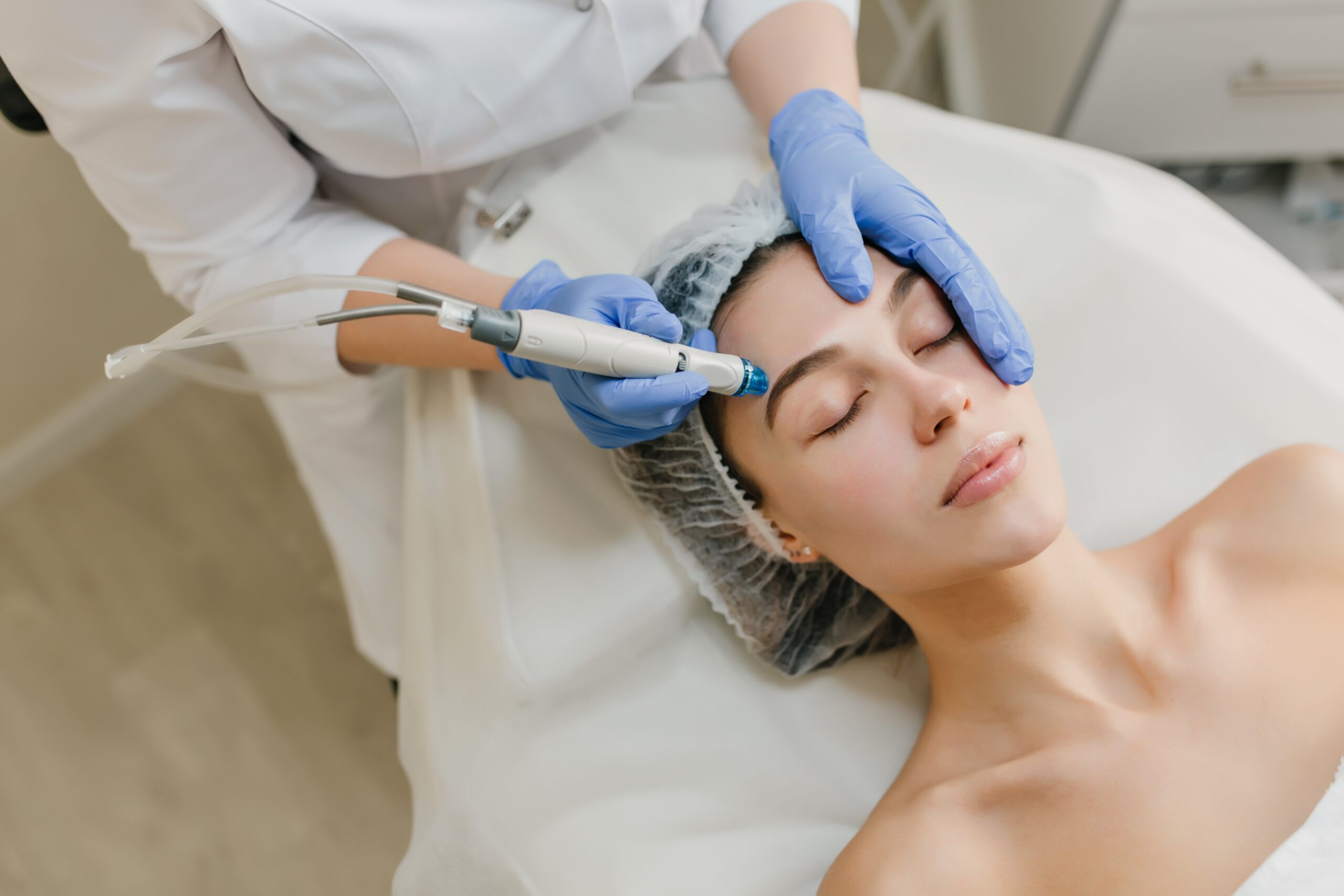
Mesotherapy” is a non-surgical, minimally invasive method of drug delivery that consists of multiple intradermal or subcutaneous injections of a mixture of compounds, “melange” in minute doses. Practitioners can use plant extracts, homeopathic agents, pharmaceuticals, vitamins, and other bioactive substances for mesotherapy, but they must avoid alcohol- or oil-based solutions because these increase the risk of cutaneous necrosis.
Mesotherapy is a technique that involves microinjections of conventional homeopathic medication and/ or vitamins into the mesoderm or middle layer of the skin to promote healing or corrective treatment to a specific area of the body. It is a debatable addition to the therapeutic armamentarium in the management of skin rejuvenation.
However, dermatologists have to use this cautiously and judiciously, as at present there is a lot of controversy regarding its efficacy and safety, even though mesotherapy is gaining popularity in the West.
Driving Behind the Growing Popularity of Mesotherapy
Several factors contribute to the increasing demand and interest in mesotherapy globally:
- Rising Demand for Minimally Invasive Procedures: Today’s consumers desire treatments that provide noticeable benefits without surgery and without prolonged recovery times. Mesotherapy fits right into this desire, offering a speedy, office-based treatment with minimal pain.
- Increasing Awareness of Aesthetic Treatments: Social networks, beauty bloggers, and dermatologists have made cosmetic procedures more acceptable. As more individuals become aware of mesotherapy’s advantages, demand keeps increasing.
- Growing Aging Population: More middle-aged and elderly individuals look for effective skin revitalization treatments to stay young-looking, further boosting demand for mesotherapy.
- Advancements in Injection Technology: Innovations such as mesotherapy guns and better needle designs have become more comfortable and effective, facilitating wider use.
Practitioners use mesotherapy to deliver a series of injections containing various ingredients — from vasodilators to nonsteroidal anti-inflammatory agents — into the fat layer of the skin. They tailor the medications, enzymes, or hormones to each patient’s needs, allowing them to treat a range of vascular and lymphatic disorders, as well as pain, alopecia, and psoriasis.
It is being used more often now for body contouring and to treat cellulite to reduce body fat. A common injectable is lecithin, which is phosphatidylcholine isoproterenol, a lipolytic agent that stimulates beta-adrenergic receptors. Lecithin is common in human bile and is needed for the digestion of dietary fat.
Even though European practitioners have used mesotherapy for years to treat cellulite, its true mechanism remains unknown. Researchers speculate that the injections increase blood and lymphatic flow in the mesoderm, which shrinks the fat cells so they dissolve and the body can then excrete them.
The problem is the lack of randomized, double-blind studies through institutional review board–approved mechanisms to ensure patient safety.
The U.S. Food and Drug Administration has not approved the subcutaneous use of the medications commonly used in mesotherapy. The available reports indicate that the medications may potentially cause immediate or delayed allergic reactions, including urticaria pigmentosa problems at the injection sites.
Mesotherapeutic Technique
The mesotherapeutic technique (LIT) involves the inoculation of a drug with a 4 mm (27 Gouce) or 13 mm (30–32 Gouce) needle appropriately inclined to perform a microdermal deposit. According to some studies, the depth of intradermal injection could be 1 to 1.5 mm with individual variations. The most important variation in the depth of the dermis depends on body areas and age.
Dermal thickness increases linearly with age up to 20 years and decreases linearly with age subsequently. Furthermore, it has been shown that women have a lower dermal thickness. Some authors reported significant differences only in some areas related to gender, BMI, and age. Based on these individual variations, it could be difficult to standardize an intradermal inoculation.
For this reason, practitioners must personalize the needle’s angle of insertion according to the patient’s anatomy and the area they plan to treat. There are no randomized studies to compare the efficacy of inoculation in the different layers of the dermis (superficial dermis or deep dermis). Therefore, tilting the needle thirty degrees to inoculate in the dermis without affecting the subcutaneous layer.
The area of the body and the thickness of the dermis determine the appropriate angle for needle insertion. Practitioners must also apply this technique using sound medical and pharmacological knowledge, while strictly following disinfection protocols, utilizing appropriate disinfectants, sterile single-use devices, and a properly equipped clinical environment
What Is A Micro-Infusion Treatment?
First, minimally invasive infusion treatments are nothing new; you’ve probably already heard of in-office Aquagold or mesotherapy. But what is new is the ability to self-administer the treatment from home with the approval of leading skincare experts.
Qure’s treatment uses tinier-than-hair, 0.5 mm needles made from antimicrobial gold to “stamp” active ingredients into the superficial layers of the skin. The delivery method deposits actives more penetratively than a topical serum, but gently enough that there is no downtime.
Continued use improves results because the treatment stimulates collagen production, and many fans quickly become hooked on the radiant glow they notice as early as the next day.
Qure currently sells two formulas, one to target hyperpigmentation and melasma, and one for fine lines and wrinkles. The formula for discoloration includes active ingredients such as fibroblast-stimulating epidermal growth factor (EGF), brightening tranexamic acid, and Niacinamide.
Steps Involved in Mesotherapy
- Wear disposable gloves
- Prepare single-use needles and syringes, disinfectants, and cotton wool
- Accurate disinfection of the skin surface to be treated
- Warn the patient that a specific surface will be treated and take the (preferably) lying position
- Prepare the drugs to be injected (avoid exposing them to heat and light)
- Clean the skin to be treated carefully
- Inject the therapy in selected points during the medical examination
- Wait a few minutes before letting the patient stand up again
- Dispose of medical waste in the appropriate containers
- Complete the medical record with the treatment carried out
Conclusive Evaluation
Although mesotherapy may seem like a new dermatological technique, dermatologists have long used similar injection methods to treat keloids and hypertrophic scars with steroids. Some countries have banned mesotherapy products due to their unsafe misuse. Therefore, dermatologists must carefully choose safe and appropriate products before administering treatment.
Despite the boom in mesotherapy in the West, we must remember that mesotherapy is a controversial therapy at the moment and that it is still in its infancy. Dermatologists must wait for more well-controlled, peer-reviewed studies before they can confidently decide the future role of mesotherapy in their practice
Additional clinical and experimental studies are necessary to establish the safety and efficacy of this treatment.
References
https://pmc.ncbi.nlm.nih.gov/articles/PMC7305548
Mursalin Pathan
(Content Writer, The Insight Partners )
Contact: mursalin.pathan@businessmarketinsights.com
LinkedIn: Mursalin Pathan
As a skilled content writer with expertise in SEO, I specialize in creating high-quality, optimized blog posts, articles, and web content that help brands stand out in the digital landscape. My commitment is to craft compelling content that not only captivates readers but also boosts search engine rankings, ensuring businesses connect effectively with their target audience and drive measurable growth.